1. Can foreigners buy property in Italy?
Yes. Italy welcomes foreign property buyers. There are almost no restrictions for citizens of the EU, the UK, the US, Canada, Australia, New Zealand, Switzerland, or any country that has a reciprocity agreement with Italy (most developed nations do). You don't need Italian residency or an Italian bank account to buy — both are helpful, neither is mandatory.
What you do need is a Codice Fiscale (Italian tax ID), which takes about 20 minutes to obtain for free at any Agenzia delle Entrate office or through your local Italian consulate before you travel.
Owning property does not grant you the right to live in Italy full-time — that requires a residency visa. Non-EU owners can still spend up to 90 days in every 180 under the Schengen short-stay rule.
2. How much does a house in Italy cost?
The honest answer is: anywhere from €1 to €50 million. But within the realistic "second home" and "expat home" bracket, here's what we see scraping the Italian market every week.
| Region | Liveable 2-bed entry price | Typical "nice" €100k budget |
|---|---|---|
| Abruzzo (inland) | €20k–€40k | Restored stone house, small garden |
| Puglia (inland) | €30k–€60k | Trullo or masseria fragment |
| Sicily | €10k–€40k | Town house in hilltop village |
| Calabria | €15k–€45k | Sea-view apartment in small town |
| Le Marche | €40k–€80k | Rural farmhouse, needs work |
| Umbria | €60k–€120k | Village apartment, solid condition |
| Tuscany (south) | €80k–€150k | Small village cottage |
| Tuscany (Chianti) | €200k+ | Fixer-upper only |
Source: DreamProp scraping data across 291 live Italian listings. The median listed price on our platform right now is €129,000.
3. The truth about Italy's €1 houses
The €1 house stories you see on TikTok and in the Daily Mail are real. The price tag is also a little bit misleading.
A €1 house is typically sold at auction by a comune (municipality) that's losing population. You bid — usually starting at €1 — against other buyers, and winning bids often land between €5,000 and €25,000. You then commit to:
- Renovate the property within 3 years (sometimes 2, sometimes 5)
- Post a refundable deposit of €1,000–€5,000 as a renovation bond
- Cover all notary and registration costs (~€3,000)
- Actually renovate — which for a typical 80 m² house costs €30,000–€60,000 done right
So the true all-in price of a "€1 house" is usually €40,000 to €80,000 — still astonishing value, just not a euro.
Towns currently running schemes
Schemes come and go. As of April 2026, these are the best-known active or recently-active programmes:
- Mussomeli (Sicily) — the most organised, dedicated English-speaking team
- Sambuca di Sicilia (Sicily) — famous for fast sales
- Gangi (Sicily) — one of the original schemes
- Cinquefrondi (Calabria) — €1 + renovation deposit model
- Santo Stefano di Sessanio (Abruzzo) — you must commit to living there
- Ollolai (Sardinia) — variant: "Americans only" scheme launched 2024
- Patrica (Lazio) — newer, only 90 minutes from Rome
- Zungoli (Campania) — medieval hilltop town
4. Best regions for foreign buyers
Abruzzo
🏔️ Mountains, sea, and national parks on your doorstep.
The quiet favourite of value-hunters. 90 minutes from Rome, Adriatic beaches, Gran Sasso skiing, and habitable stone houses from €25k in villages like Casoli, Penne and Lanciano.
Best for: retirees, first-time overseas buyers.
Puglia
🫒 Whitewashed villages, trulli, and olive groves.
Beloved by Brits and Americans since Under the Tuscan Sun stopped being affordable. Trulli from €40k, masserie from €150k. Long season, strong Airbnb yields.
Best for: second-home buyers, lifestyle investors.
Sicily
🌋 Bigger than Wales. Cheaper than it should be.
Home to most €1 house schemes. Town houses from €10k inland, beach apartments from €60k. Climate is ferocious in August and perfect every other month.
Best for: renovation projects, adventurers.
Le Marche
🌾 The Italy of rolling hills, without the Tuscan price tag.
"Like Tuscany 20 years ago" — tediously true cliché. Farmhouses from €60k. Ancona airport, direct flights to London. Quieter, cheaper, less polished.
Best for: writers, painters, slow-livers.
Umbria
🌿 Tuscany's humble neighbour.
Perugia, Assisi, Spoleto. Greener, cooler, and roughly 30–40% cheaper than Tuscany for comparable houses. Village apartments from €50k.
Best for: couples wanting charm on a mid-budget.
Calabria
🏖️ Italy's most undervalued coastline.
Two seas, mountains, and prices that haven't caught up. Sea-view flats from €30k. Infrastructure patchy; charm endless.
Best for: bargain hunters, beach lovers.
5. Visa & residency options
Buying a home in Italy doesn't give you the right to live there. If you want to spend more than 90 days out of every 180 in Italy (as a non-EU citizen), you need a visa. The three realistic routes for most foreign property buyers:
| Visa | Income requirement | Can work? | Best for |
|---|---|---|---|
| Elective Residency | €31k/yr single, €38k/yr couple (passive) | No | Retirees, pension income |
| Digital Nomad Visa (2024) | ~€28k/yr remote income | Yes, remotely | Remote workers, freelancers |
| Investor Visa | €250k (startup) → €2m (bonds) | Yes | High-net-worth families |
| EU citizens | None (freedom of movement) | Yes | Anyone with an EU passport |
Italy also offers the generous 7% flat tax for retirees moving pension income to towns under 20,000 people in the Mezzogiorno (southern regions). Valid for 10 years. This is genuinely one of the best retirement tax regimes in Europe right now.
6. Step-by-step: how to actually buy
-
1
Get your Codice Fiscale
Your Italian tax ID. Free, 20 minutes at any Agenzia delle Entrate, or through your Italian consulate before you travel.
-
2
Open an Italian bank account (optional)
Not legally required, but useful for utilities, tax payments and ongoing costs. Wise and Revolut also work.
-
3
Find the property
Visit in person — photos lie. Use an English-speaking agenzia immobiliare, or get our weekly digest.
-
4
Hire a geometra
A local surveyor who checks the property's legal status, cadastral records, and flags any planning irregularities. €500–€2,000. Non-negotiable.
-
5
Submit a Proposta d'Acquisto
Your written offer. Usually binding for 14 days with a €2,000–€5,000 deposit. If accepted, it becomes a preliminary contract.
-
6
Sign the Compromesso (Preliminare)
The real contract. Usually 10–20% deposit. Both parties are legally committed — back out and you lose the deposit (or the seller pays double).
-
7
Notaio does the due diligence
The notaio is a public official who verifies title, runs background checks, calculates taxes, and prepares the final deed. Typically 30–60 days.
-
8
Sign the Rogito
Final deed. Signed in person at the notaio's office (or by power of attorney). You pay the balance, taxes and fees. The house is yours.
7. Fees, taxes & hidden costs
Plan for 8–15% on top of the purchase price. Here's where it goes for a typical €100,000 second-home purchase from a private seller:
| Line item | Typical cost | Notes |
|---|---|---|
| Registration tax (imposta di registro) | 2% of cadastral value (first home) / 9% (second home) | Cadastral value is usually much lower than market price |
| Cadastral tax (imposta catastale) | €50 | From private seller |
| Mortgage tax (imposta ipotecaria) | €50 | From private seller |
| Notaio (notary) | €2,000–€4,000 | Mandatory, sets their own rate |
| Real-estate agent fee | ~3% + 22% VAT | Typically paid by both buyer and seller |
| Geometra survey | €500–€2,000 | Highly recommended |
| Translator (if required) | €300–€800 | Required if you don't speak Italian and sign in person |
| Lawyer (avvocato, optional) | €1,000–€3,000 | Strongly advised if buying at auction |
Ongoing costs: IMU (municipal property tax, usually €300–€1,500/year for a second home), TARI (waste tax, ~€150/year), utilities (water/electricity base fees even when empty). Budget around €1,000–€2,500/year to hold a €100k second home.
8. Renovation: the bit nobody talks about
If you're buying a cheap Italian house, you're probably going to renovate. Here's the part that doesn't fit on a reel:
- Rough budget: €500–€1,500 per m² for a proper renovation — new roof, floors, bathroom, kitchen, electrics, plumbing. An 80 m² house: €40k–€120k.
- Superbonus 110% is effectively over. The generous energy-renovation tax credit ended for most buyers in 2024. Lesser credits (50%, 65%) still apply to specific works.
- Planning permission is handled by your geometra. Historical town centres have strict rules on materials, window sizes and external finishes.
- Agibilità (habitability certificate) — a liveable home must have this. A ruin usually doesn't. Getting it reinstated requires permissions and inspections.
- Timeline: budget 12–24 months for a substantial renovation. Italy moves at Italian speed.
9. Italian properties available now
Hand-picked from DreamProp's database of 291 live Italian listings — these are all currently for sale, all under €150,000.
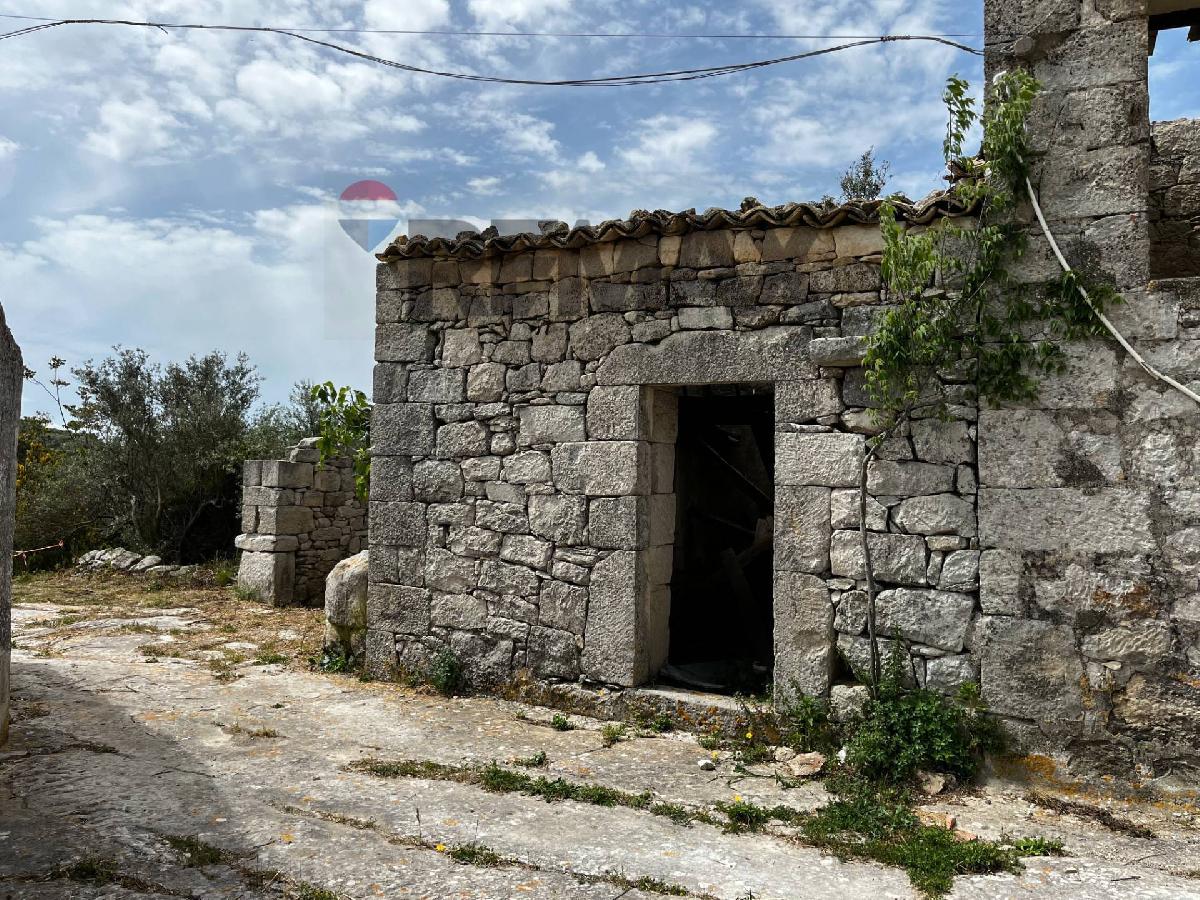
€12,000
Property in Ragusa
Ragusa, Sicily, Italy
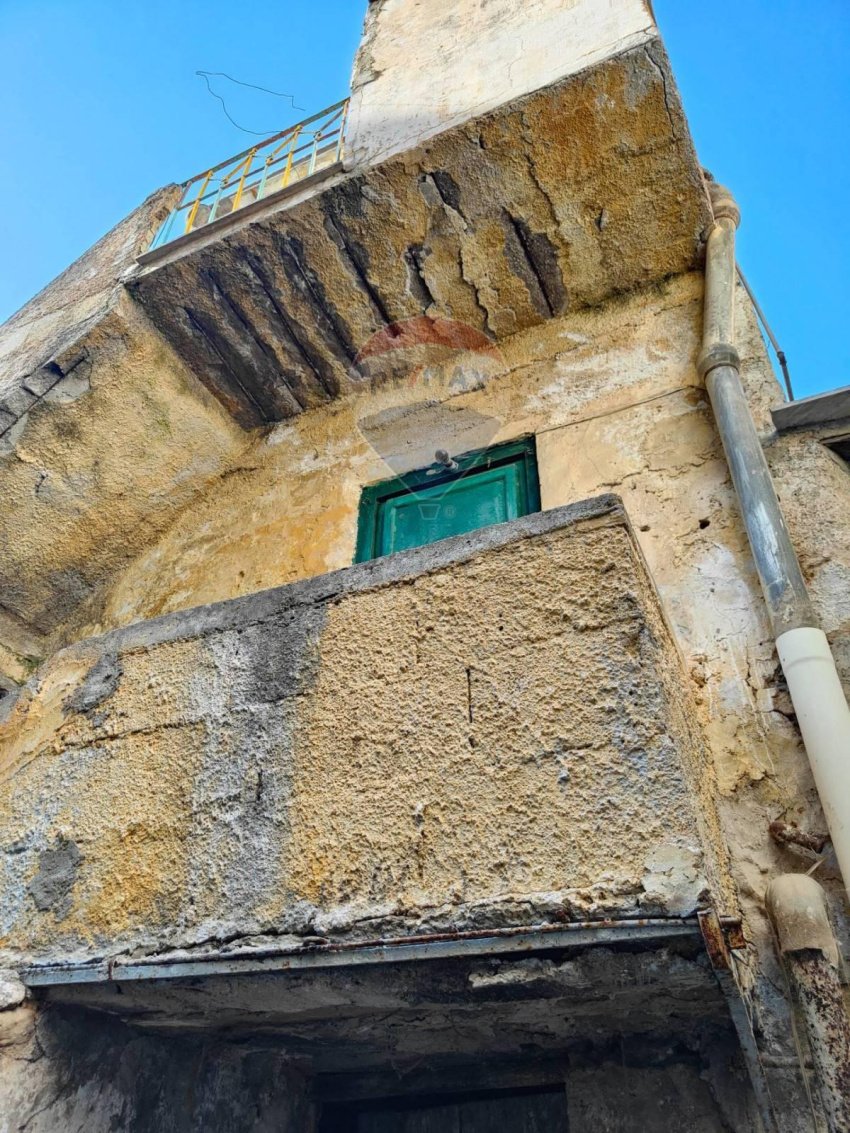
€12,000
Property in Monreale
Monreale, Sicily, Italy
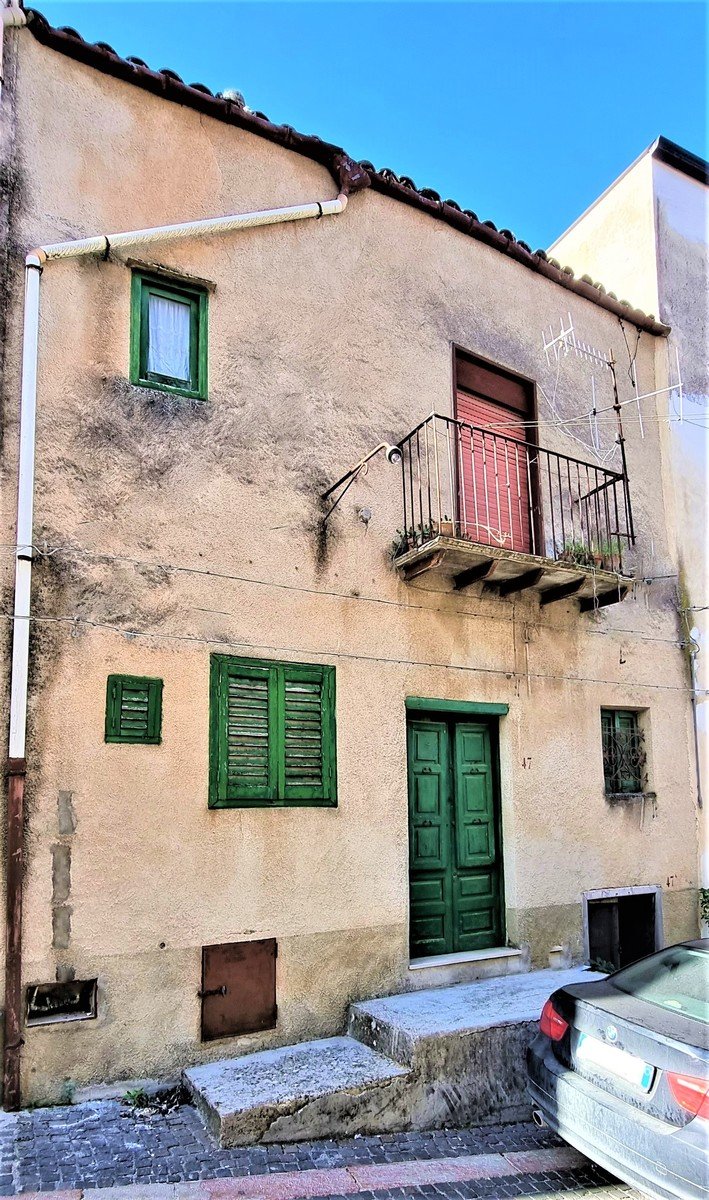 Renovation project
€12,000
Property in Giuliana
Giuliana, Sicily, Italy
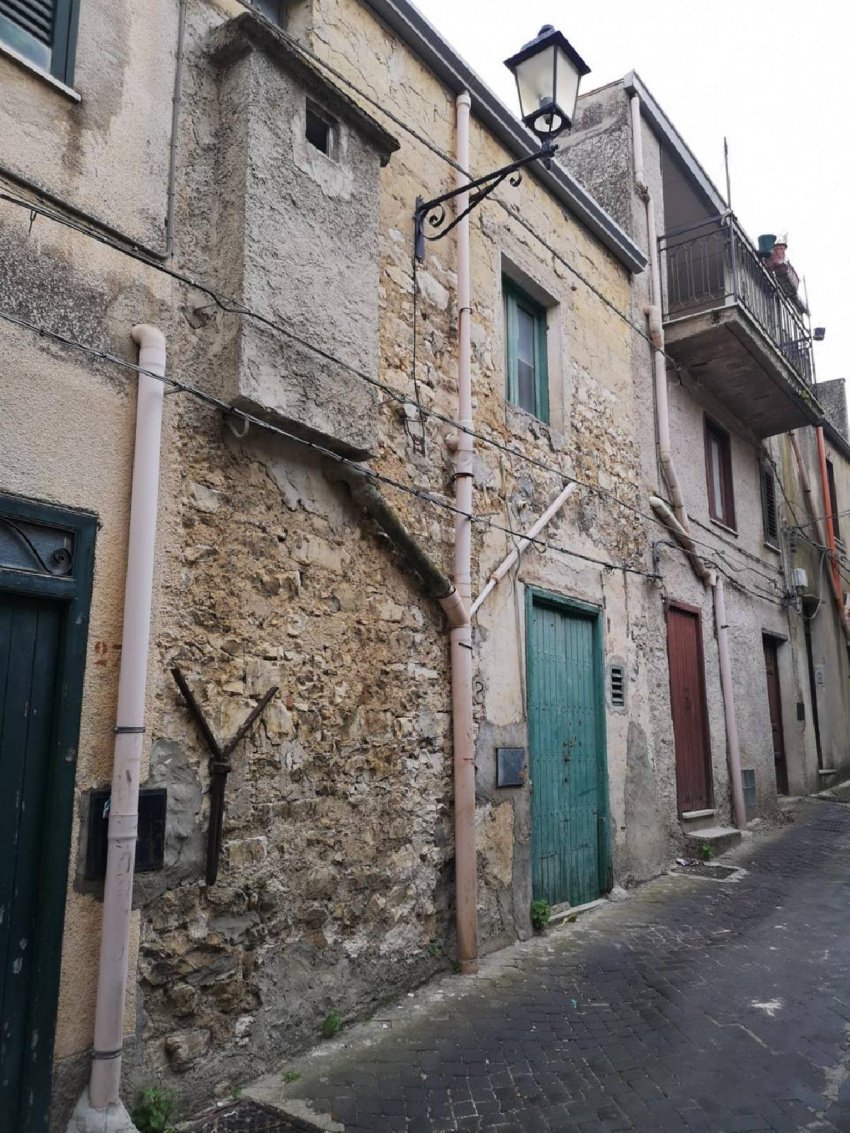
€14,000
Property in Giuliana
Giuliana, Sicily, Italy
€14,000
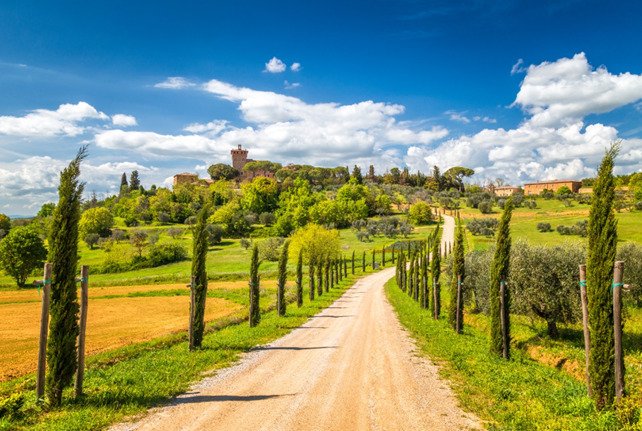
Property in Pelago
Pelago, Tuscany, Italy
€15,000
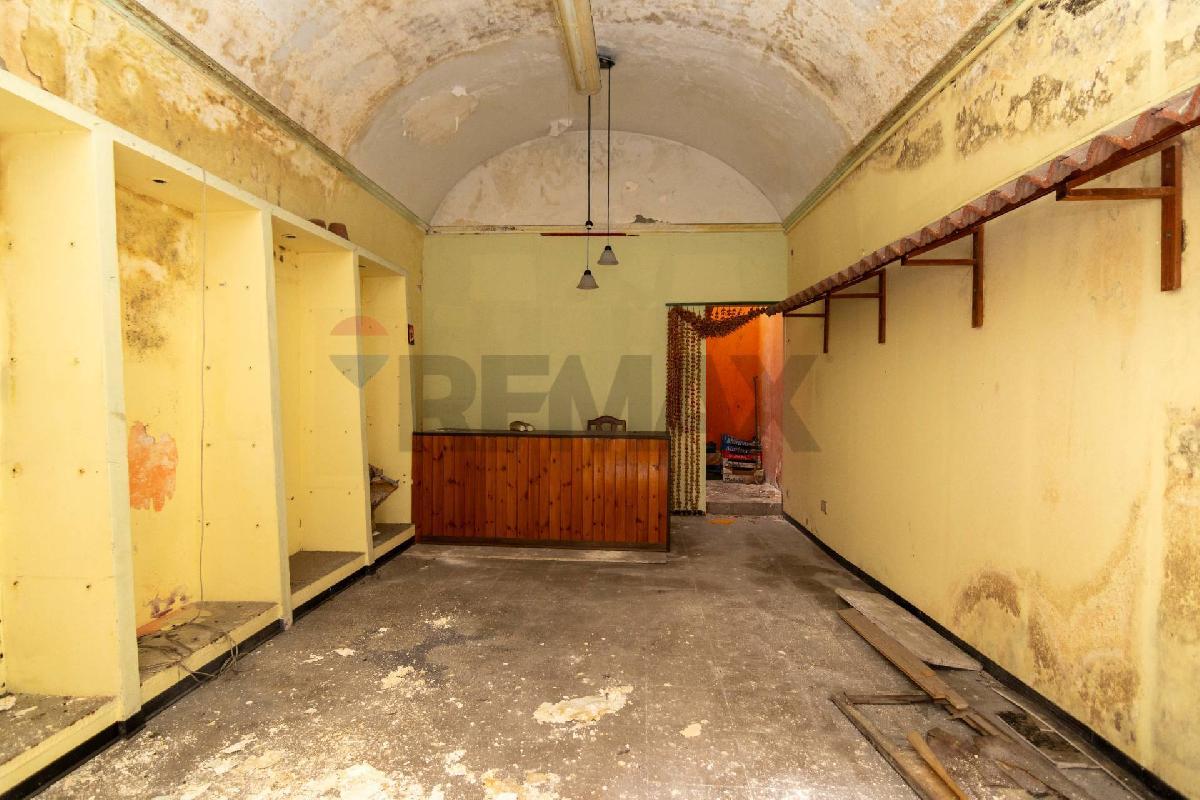
Property in Lentini
Lentini, Sicily, Italy
10. Frequently asked questions
Can Americans buy property in Italy?
Yes. The US has a reciprocity agreement with Italy. Americans can buy freely, with the same rights as EU citizens in terms of ownership. You'll need a Codice Fiscale and, ideally, a local lawyer.
Can I get a mortgage in Italy as a foreigner?
Yes, but expect to put down 40–50% as a non-resident. Rates are typically 3.5–5% (2026). Most foreign buyers pay cash for cheaper properties and mortgage only larger purchases.
How long can I stay in Italy with just a property, no visa?
Non-EU citizens can stay up to 90 days in every 180 under Schengen rules — whether you own property or not. For longer stays, you need a residency visa.
Are the €1 houses actually worth it?
Only if you genuinely plan to renovate and use the property. Total all-in cost is typically €40,000–€80,000 once you add renovation. For a holiday home you want to use next summer, buy a move-in-ready house for €50k instead.
How much do I actually need to budget for a first Italian home?
For a liveable 2-bed in Abruzzo, Puglia or Sicily: €40,000 property + €5,000 purchase costs + €10,000 cosmetic refresh = €55,000 all-in. For a proper renovation project add €40,000–€80,000.
Do I need a lawyer or just a notaio?
The notaio is a neutral public official, not your advocate. For anything non-standard — auctions, inheritance, disputed titles — hire your own avvocato. For a standard private sale, the notaio is usually enough.
What's the catch with the 7% flat tax for retirees?
You must move your tax residency to a town of under 20,000 people in one of the southern regions (Abruzzo, Molise, Campania, Puglia, Basilicata, Calabria, Sardinia or Sicily), and you must not have been Italian-tax-resident in the prior 5 years. Valid for 10 years.