1. Can foreigners buy property in Spain?
Yes. Spain places no restrictions on foreign property ownership. EU citizens, UK nationals, Americans, Canadians, Australians — identical rights. Owning property does not give you residency or the right to stay more than 90 days per 180 as a non-EU visitor, but buying itself is straightforward.
The only upfront bureaucracy is your NIE (Número de Identidad de Extranjero) — a foreigner ID number. You'll need one to open a Spanish bank account, sign the deed, and pay taxes. Apply in person at a Spanish consulate abroad, or at a Oficina de Extranjería in Spain. Allow 2–4 weeks abroad, same-day to 1 week in-country.
A Spanish bank account is technically optional but practically essential — it's how you pay the seller, the notary, the taxman and the utility companies. Sabadell, BBVA and CaixaBank all have non-resident accounts designed for foreign buyers.
2. How much does a house in Spain cost?
Spain is two markets: the famous coasts (Costa del Sol, Mallorca, Barcelona, Ibiza) that are genuinely expensive, and the enormous, empty, unbelievably cheap interior. Here's what your budget buys in 2026:
| Region | Liveable 2-bed entry price | €150k "nice" budget buys |
|---|---|---|
| Costa del Sol (Málaga, Marbella) | €180k+ | Small apartment, decent location |
| Costa Blanca (Alicante, Torrevieja) | €100k+ | 2-bed apartment, pool access |
| Costa Cálida (Murcia) | €70k+ | Townhouse, 10 min from the sea |
| Valencia (city) | €150k+ | 1-bed, central, renovated |
| Inland Andalucia (Granada, Jaén) | €40k+ | Restored cortijo with garden |
| Galicia | €50k+ | Stone casa con finca (land) |
| Asturias | €60k+ | Rural cottage near coast |
| Extremadura | €35k+ | Village house + land |
| Balearics (Mallorca, Menorca) | €350k+ | Tiny apartment only |
Source: DreamProp scraping data across 1,928 live Spanish listings. Current median price on our platform: €99,000.
3. Best regions for foreign buyers
Costa Blanca
☀️ 320 days of sun, British/Dutch/German expat heartland.
Alicante to Torrevieja to Dénia. English is spoken everywhere. Alicante airport has daily flights from 20+ UK airports. 2-bed apartments from €100k. Great healthcare infrastructure, endless golf, big expat community — and all the downsides and upsides that implies.
Best for: first-time expats, year-round retirees.
Costa del Sol
🌴 Málaga, Marbella, Estepona. Sophisticated, global, expensive.
The premium end of Spanish coastal life. Direct daily flights to 30+ cities. Strong short-let market. From €180k for apartments — villas start around €500k. Málaga city has become a genuinely world-class place to live.
Best for: investors, second-home buyers with budget.
Inland Andalucia
🏔️ Granada, Jaén, Córdoba — the cheap, dramatic Spain.
White villages, olive groves, Moorish history, Sierra Nevada skiing. Restored cortijos from €40k. Summers are brutal (40°C+), winters mild. Málaga airport reachable within 2 hours.
Best for: value-hunters, culture lovers, renovation projects.
Valencia & surroundings
🍊 Spain's most liveable big city, and the orange-grove hinterland.
Mediterranean climate, paella, Turia Park, new metro. Digital nomads have driven city prices up (€4,000/m² central) but surrounding villages remain affordable. From €100k in the Valencia hinterland.
Best for: remote workers, city lovers, food obsessives.
Galicia
🌿 Green, wet, seafood-rich — Spain for people who hate sunbathing.
Santiago de Compostela, wild Atlantic coastline, finest seafood in Europe. Climate closer to Brittany than Benidorm. Stone houses with land from €50k. Cheap, empty, extraordinarily beautiful.
Best for: Brits who miss grey skies, cooks, hikers.
Murcia & Extremadura
💶 The cheapest habitable property in mainland Spain.
Less glamorous than the Costas and dramatically cheaper. Murcia offers coast + price. Extremadura (bordering Portugal) offers Iberian lynx, cheap wine and village houses from €35k. Isolated but warming up culturally.
Best for: bargain hunters, FIRE-movement expats.
4. Visa options after the Golden Visa
Important update: Spain's property-based Golden Visa ended in April 2025. Buying property no longer qualifies you for residency. The realistic routes for most non-EU property buyers:
| Visa | Income / investment | Can work? | Best for |
|---|---|---|---|
| Non-Lucrative Visa (NLV) | ~€2,400/mo passive income (400% IPREM) | No (not even remotely) | Retirees, investment income |
| Digital Nomad Visa (2023) | ~€2,760/mo remote income (200% min wage) | Remotely yes | Remote workers, freelancers |
| Entrepreneur Visa | Viable, innovative business plan | Yes, your business | Founders, startup teams |
| Student Visa | Enrolment + funds to support yourself | 20 hrs/week | Slow-track residency route |
| EU citizens | None | Yes | Anyone with EU passport |
All three non-EU routes lead to permanent residency after 5 years and Spanish citizenship after 10 years (2 years for citizens of most Latin American countries, Andorra, Philippines, Portugal, Equatorial Guinea or those with Sephardic Jewish heritage).
5. Step-by-step: how to actually buy
-
1
Get your NIE
Your foreigner ID number. Apply in person at a Spanish consulate or at an Oficina de Extranjería in Spain. Takes 2–4 weeks abroad, often same-day in Spain.
-
2
Open a Spanish bank account
Sabadell, BBVA and CaixaBank all offer non-resident accounts. You'll need your NIE, passport and proof of address.
-
3
Find the property
Visit in person. On the coasts, expect fierce competition — good properties sell within days. Use an English-speaking agent for your first purchase, or get our weekly digest.
-
4
Hire an independent abogado
A Spanish lawyer — not the one the agent or seller recommends. They run title searches, check for outstanding debts (debts attach to the property in Spain, not the owner), and verify planning status. €1,500–€3,000.
-
5
Sign the Contrato de Arras
The preliminary contract. Typically 10% deposit. If you back out you lose the deposit; if the seller backs out they pay you double. Closing usually scheduled for 6–10 weeks later.
-
6
Sign the Escritura Pública
The final deed, signed before a notary. You pay the balance by banker's cheque. The notary reads the deed aloud (translator if you don't speak Spanish). The house is yours.
-
7
Pay taxes & register at the Registro de la Propiedad
Your lawyer pays ITP (transfer tax) within 30 days and registers the property in your name at the land registry. Typically 1–3 months to appear on the registry.
6. Fees, taxes & hidden costs
Budget 10–13% of the purchase price for closing costs on a resale property — higher than most European countries because the transfer tax is chunky. Example for a €200,000 resale in Andalucia:
| Line item | Cost on €200k | Notes |
|---|---|---|
| ITP (transfer tax, resale) | €14,000 (7% in Andalucia) | Varies 6–10% by region: Valencia 10%, Madrid 6% |
| VAT + stamp duty (new builds only) | 10% + 1.2% instead of ITP | Only on off-plan or first-time sales |
| Notary fees | ~€800 | Tariff regulated by government |
| Land registry | ~€500 | Inscripción Registro de la Propiedad |
| Lawyer (abogado) | €2,000 | 1% is the rule of thumb |
| Gestor / translator | €300–€600 | Optional but common |
| Estate agent | €0 typically | Usually paid by seller (3–5%) |
| Total closing costs | ~€17,500 (8.75%) | Plus 10–12% if you want renovations |
Ongoing costs: IBI (council tax, 0.4–1.1% of cadastral value annually), basura (waste, ~€100/year), community fees for apartment blocks (€30–€200/month), non-resident tax declaration every year (modelo 210, even if you don't rent it out). Budget €800–€2,500/year to hold a typical €200k Spanish second home.
7. Tax residency & the Beckham Law
Spend more than 183 days in Spain in any calendar year and you become a Spanish tax resident — meaning you declare worldwide income in Spain. Most retirees are fine; remote workers and business owners need to plan.
The Beckham Law (Régimen Especial de Trabajadores Desplazados) lets incoming workers pay a flat 24% on Spanish-source income up to €600k for 6 years, with 47% above that. Foreign income is exempt. Eligibility was expanded in 2023 to cover remote workers and some self-employed people. Must be applied for within 6 months of Spanish social-security registration.
Wealth tax (Impuesto sobre el Patrimonio) applies to residents with worldwide net assets over €700k (regional variations — Madrid effectively exempts). Most Spanish regions also charge a temporary solidarity wealth tax on net assets over €3m. This is the single biggest reason some HNW expats pick Portugal, Italy or Greece over Spain.
8. Spanish properties available now
Hand-picked from DreamProp's database of 1,928 live Spanish listings — all currently for sale, all under €200,000.
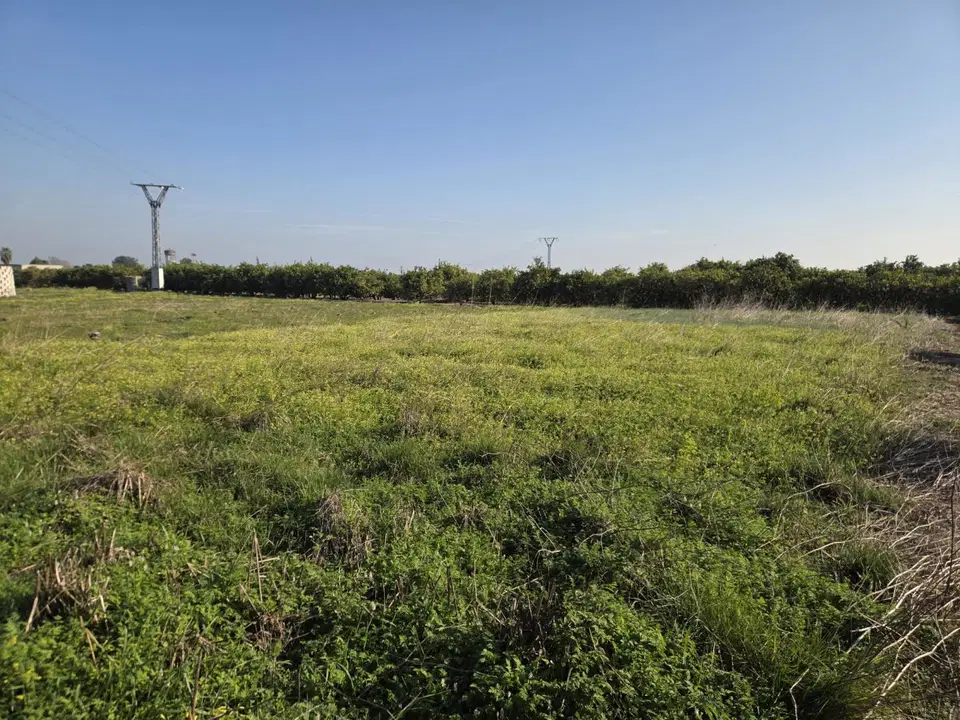
€5,000
Parasol Networks Estate Agents/Inmobiliaria
Rafelcofer, Spain
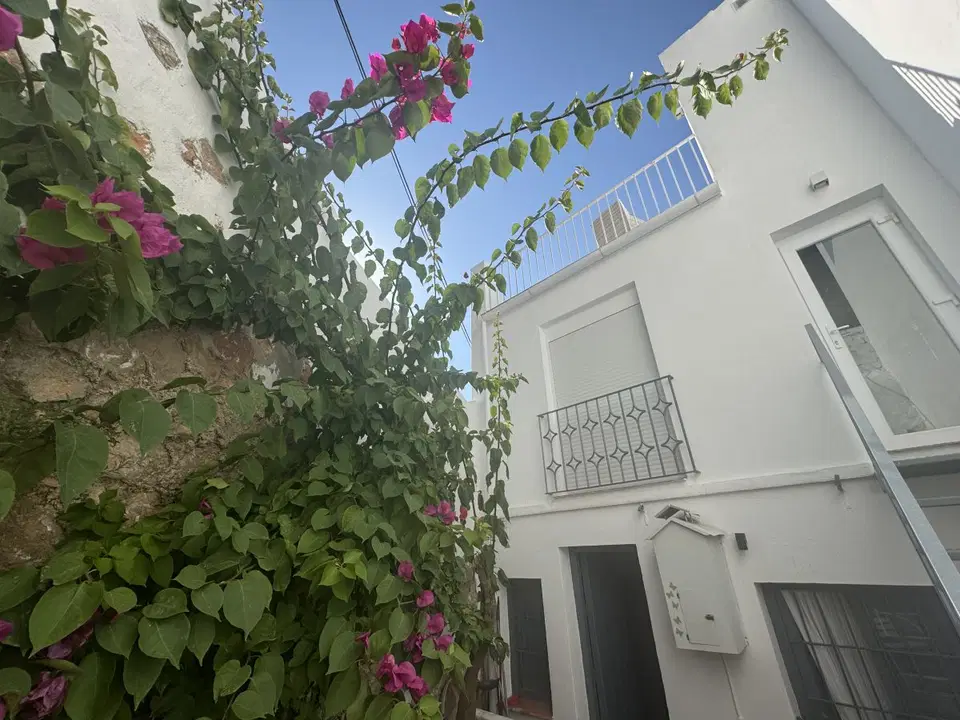
€5,000
Olvera Properties
Olvera, Andalucia, Spain
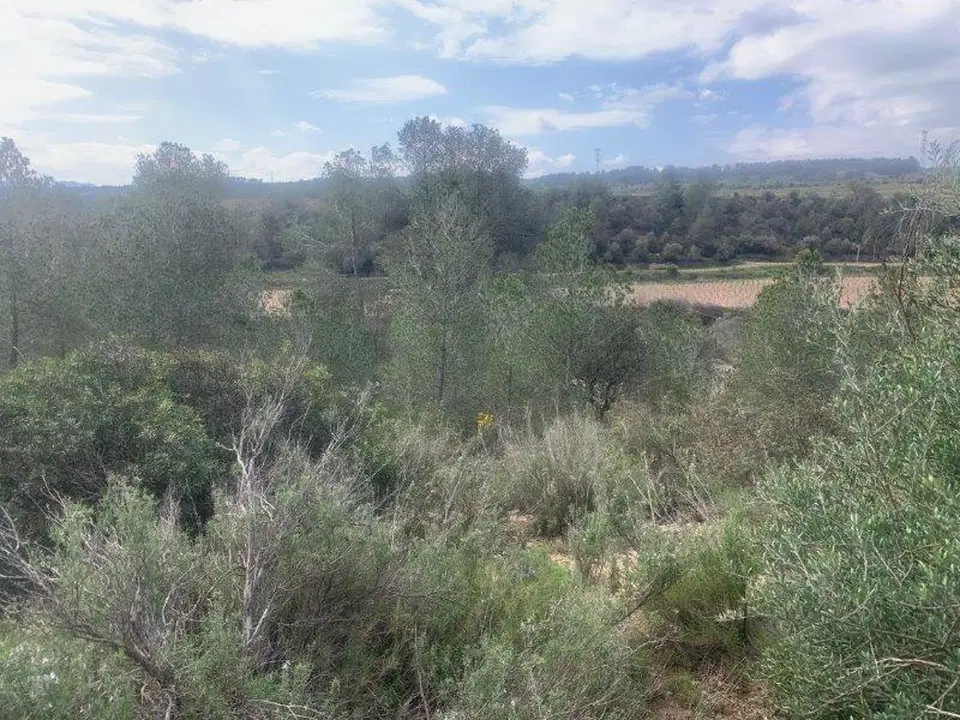
€5,000
Los Duendes Properties
Garcia, Catalonia, Spain
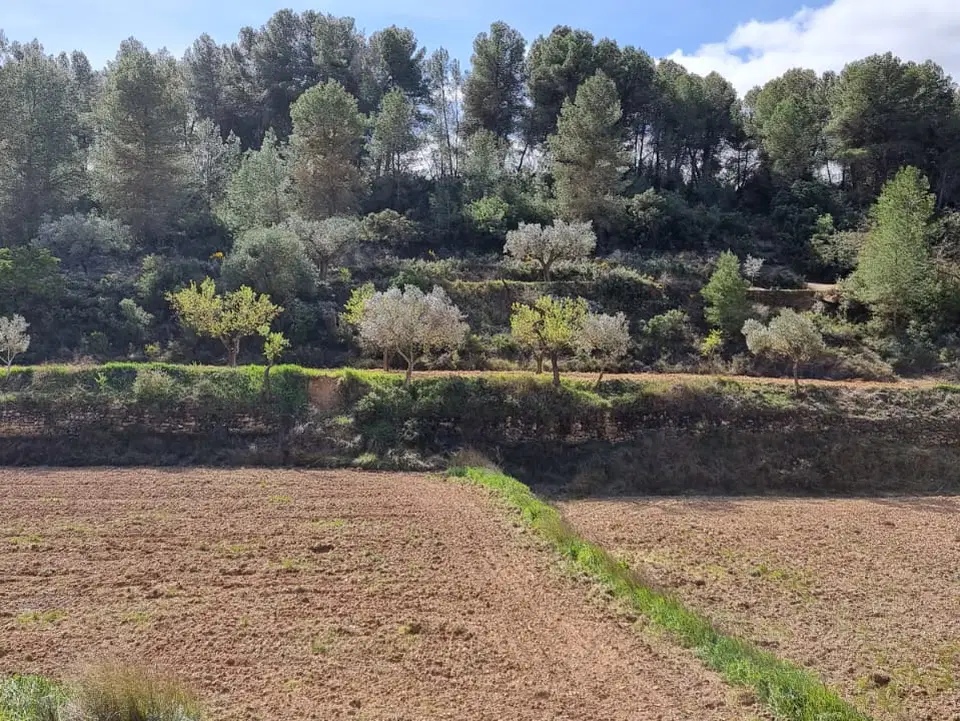
€6,000
Catalancasas
Caseres, Catalonia, Spain

€7,000
Catalancasas
Caseres, Catalonia, Spain
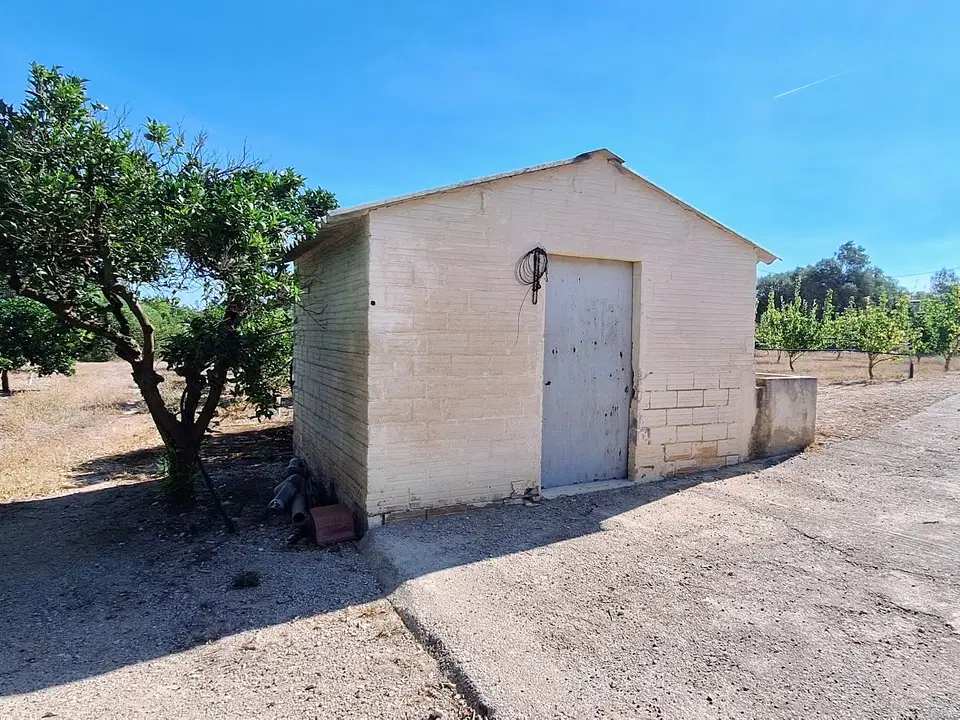
€7,000
Catalan Connexion S.l.
Ginestar, Catalonia, Spain
9. Frequently asked questions
Can Americans buy property in Spain?
Yes, with no restrictions. Americans have identical buying rights to EU citizens. You'll need an NIE and, ideally, a Spanish bank account. Paying from a US bank is possible but slow; most buyers transfer funds to a Spanish account first.
Is the Spanish Golden Visa still available?
No. The property-based Golden Visa was abolished in April 2025 following concerns about housing affordability. The investment-fund route was also closed. Non-EU buyers who want to live in Spain need the Non-Lucrative Visa, Digital Nomad Visa or Entrepreneur Visa instead.
Can I get a Spanish mortgage as a non-resident?
Yes. Most Spanish banks lend up to 60–70% LTV to non-residents. Rates in 2026 are 3.5–5%. Residents can get up to 80% LTV. BBVA, Sabadell and Santander are the usual options for foreigners.
Are "debts attached to the property" really a thing in Spain?
Yes — unpaid IBI, community fees and some utility debts transfer to the new owner. Your lawyer's title search is critical: they'll request a nota simple from the land registry and verify the property is debt-free before you sign.
How long can I stay in Spain with just a property, no visa?
Non-EU citizens can stay up to 90 days in every 180 under Schengen rules. Owning property doesn't change this. For longer stays, you need one of the residency visas.
Do I pay tax in Spain if I don't rent out my second home?
Yes — non-resident owners pay imputed income tax annually on the cadastral value (modelo 210), even if the property is empty. It's typically €200–€800/year for a €200k property. Your gestor can handle it.
What's the real catch with buying on the Spanish coast?
Coastal properties sell fast — often within 48 hours of listing at the right price point. Competition with cash buyers is brutal. Be ready to travel, decide quickly, and have funds and your NIE in place before you start viewing.