1. Why cheap France still exists in 2026
France is a country of 67 million people sharing a landmass that could comfortably hold 130 million. The Mediterranean strip, the Atlantic coast, Paris and the alpine fringe are densely lived-in and priced accordingly. The middle — the so-called "diagonale du vide" running from the Ardennes through the Massif Central to the Pyrenees — has been quietly emptying since 1850.
Departments like Creuse, Indre, Cantal and Allier have lost more than a third of their population in 70 years. Stone farmhouses inherited by descendants in Lyon, Toulouse or — increasingly — London and New York pile up on regional notaire listings every year. Many sell for less than the cost of a six-month rental in Paris. A 2-bedroom stone house with land starts at around €11,000 in deepest Creuse, and a move-in-ready three-bedroom village home in the Limousin currently lists at €42,000–€75,000 — both numbers sourced from current notaire listings as we write this.
The structural reason these prices haven't been arbitraged away is dual: French rural property simply doesn't transact often (the typical owner holds for decades), and post-Brexit, post-EES, the convenient-second-home buyer pool has shrunk. British buyers can no longer pop over for two weeks every other month without triggering the 90/180 rule, and that has dampened demand from what was for decades the largest foreign-buyer cohort. For anyone willing to do the visa work — or who has an EU passport, or who genuinely wants to move rather than dabble — the prices are remarkable.
2. Renovation projects vs habitable houses — the £20k–£40k split
Cheap France has two clear price tiers, and confusing them is the single most common mistake foreign buyers make.
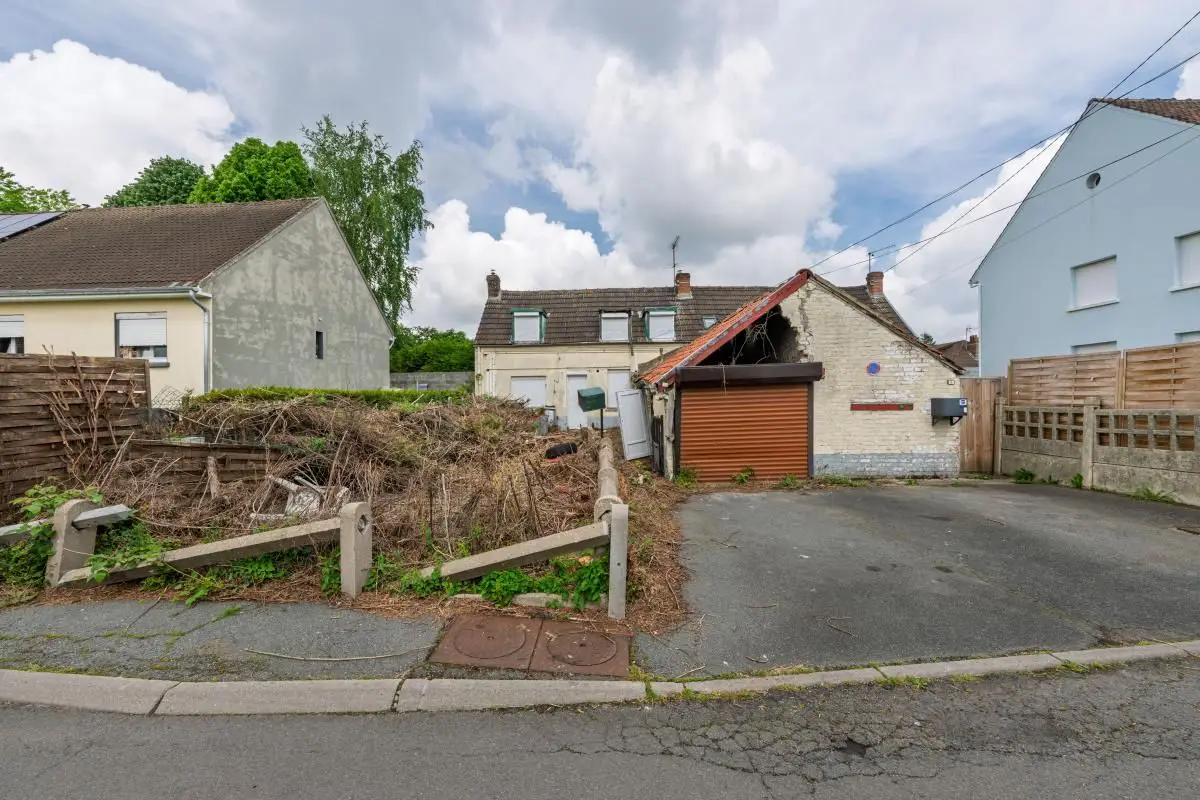
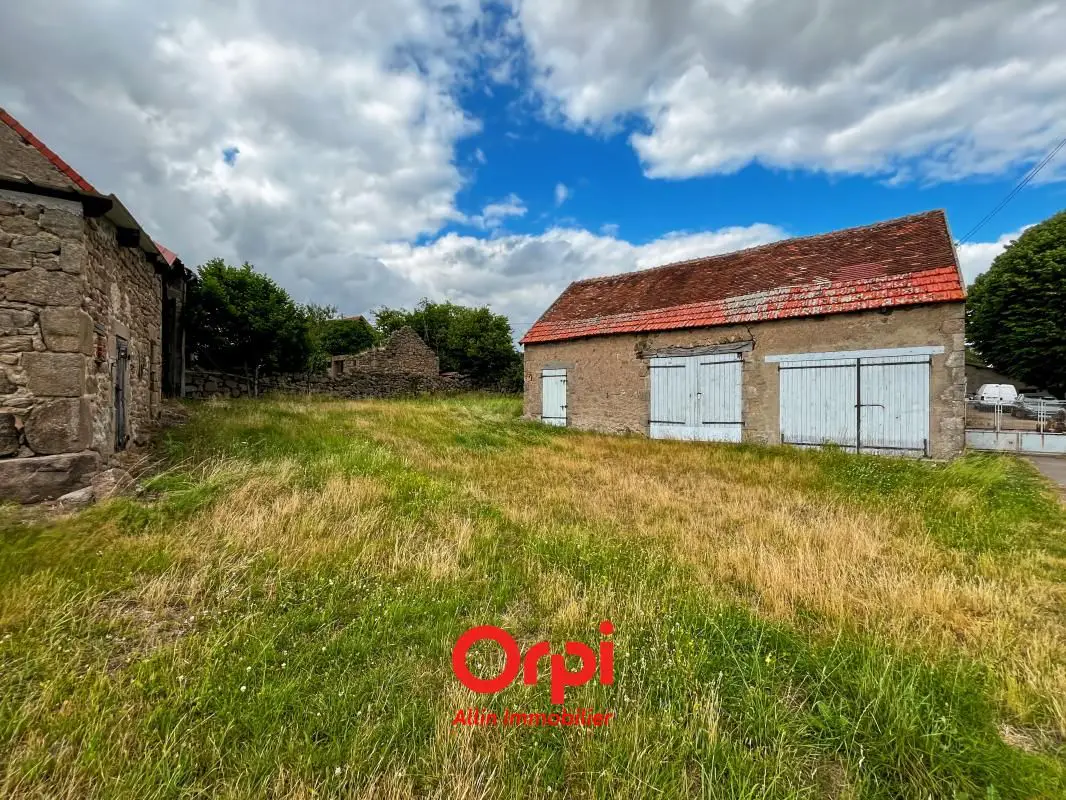
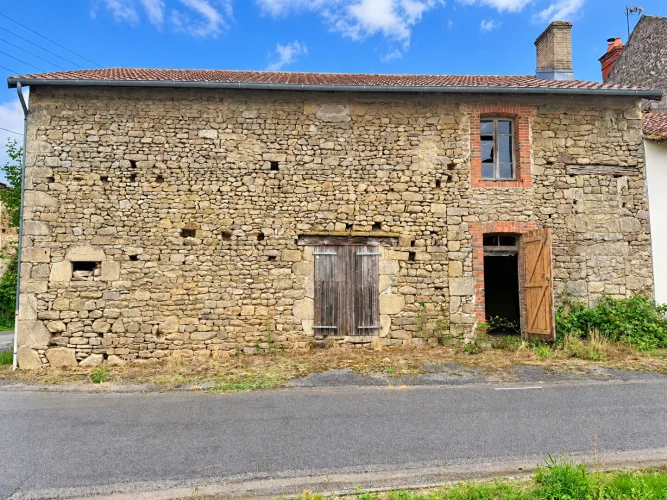
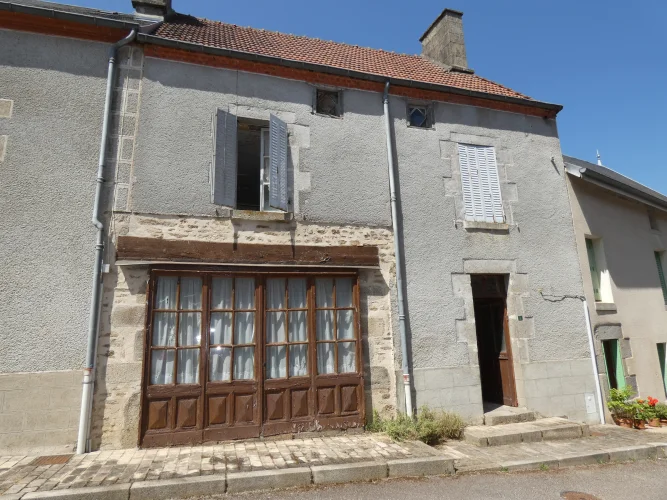
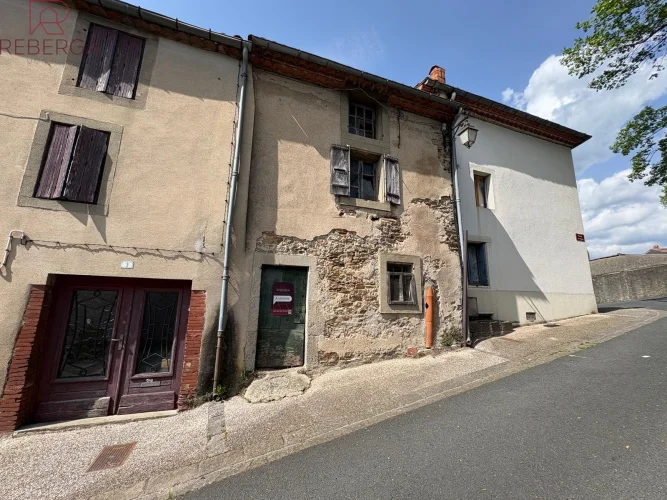
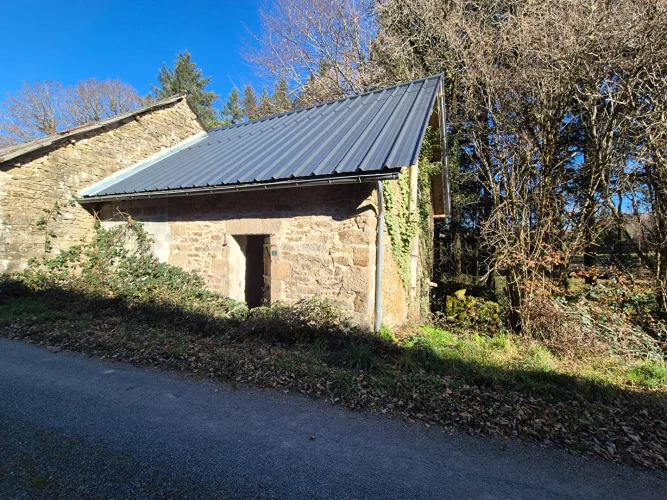
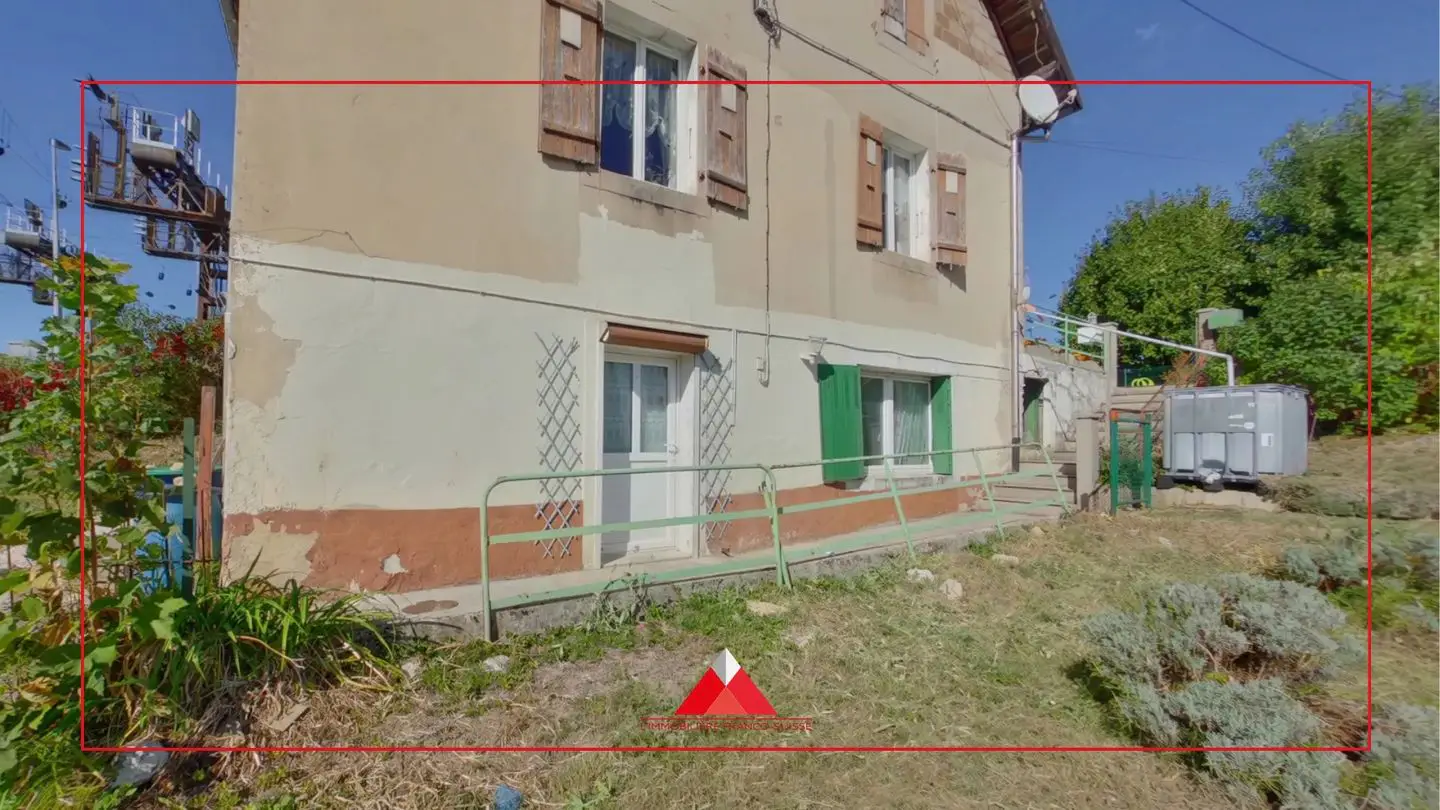
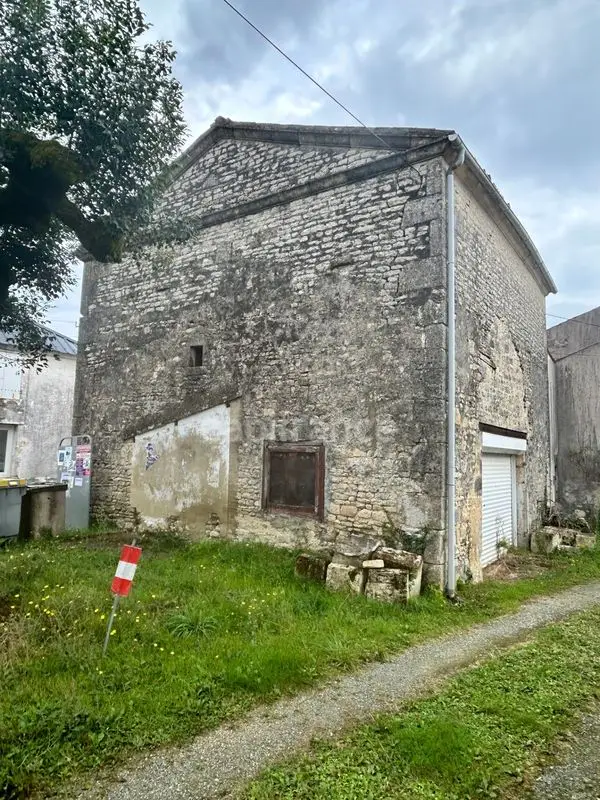
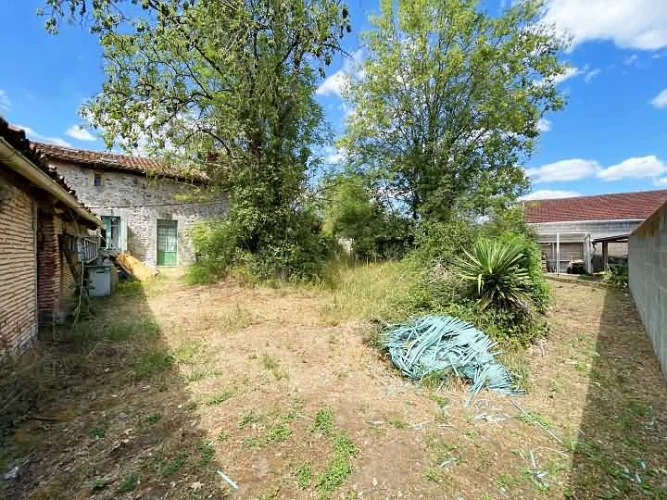
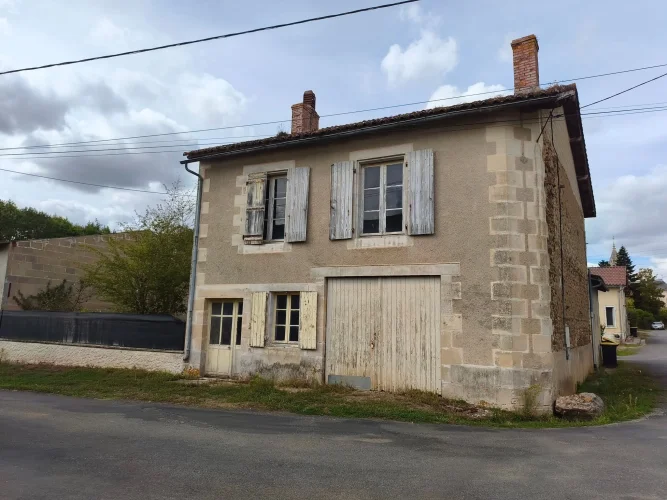
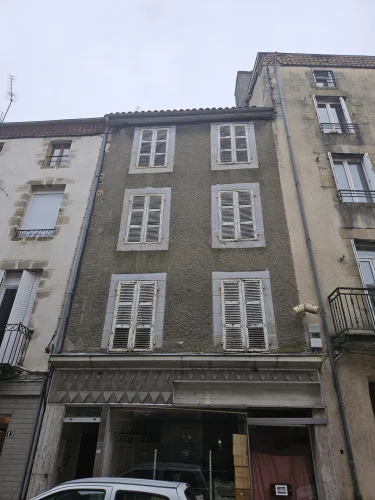
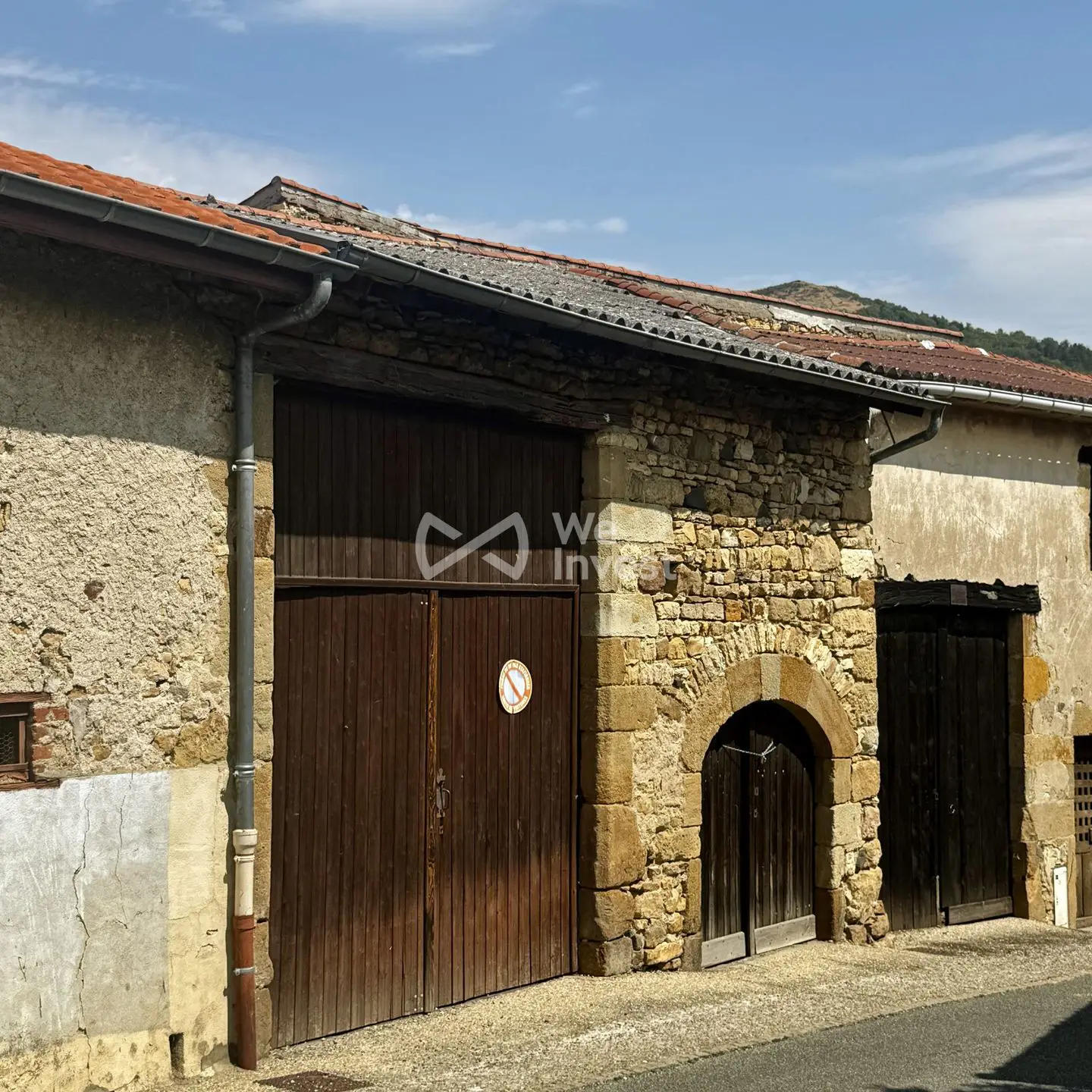
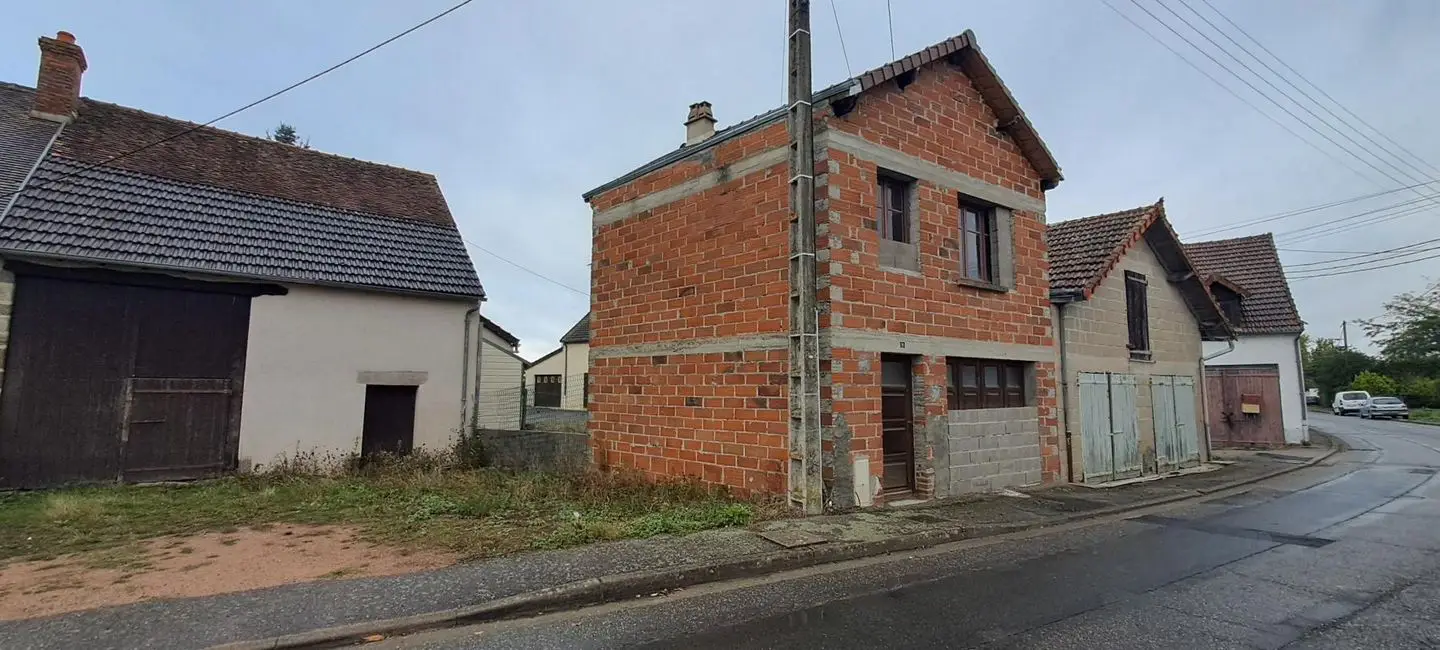
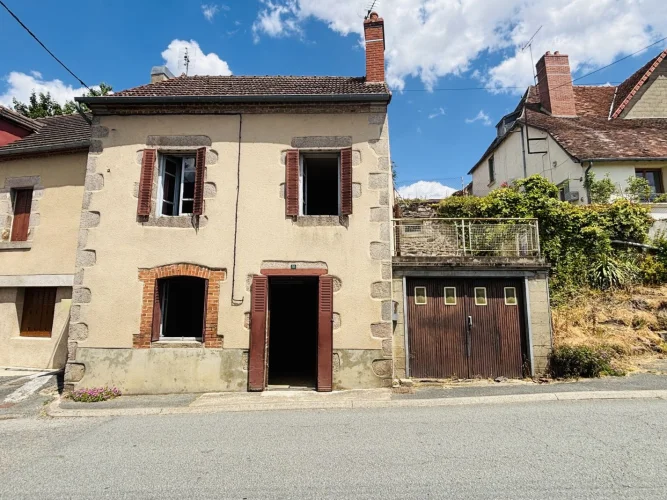
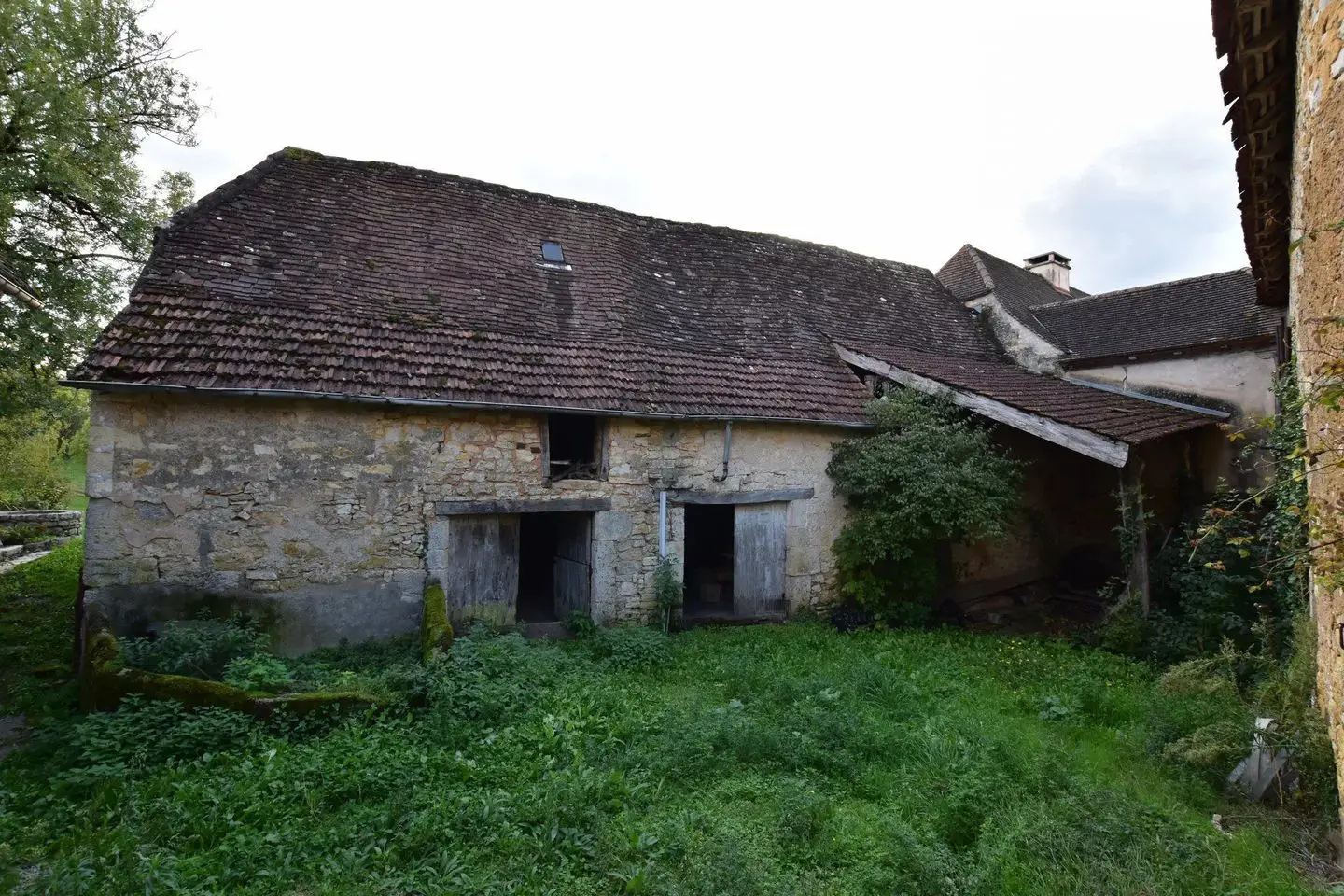
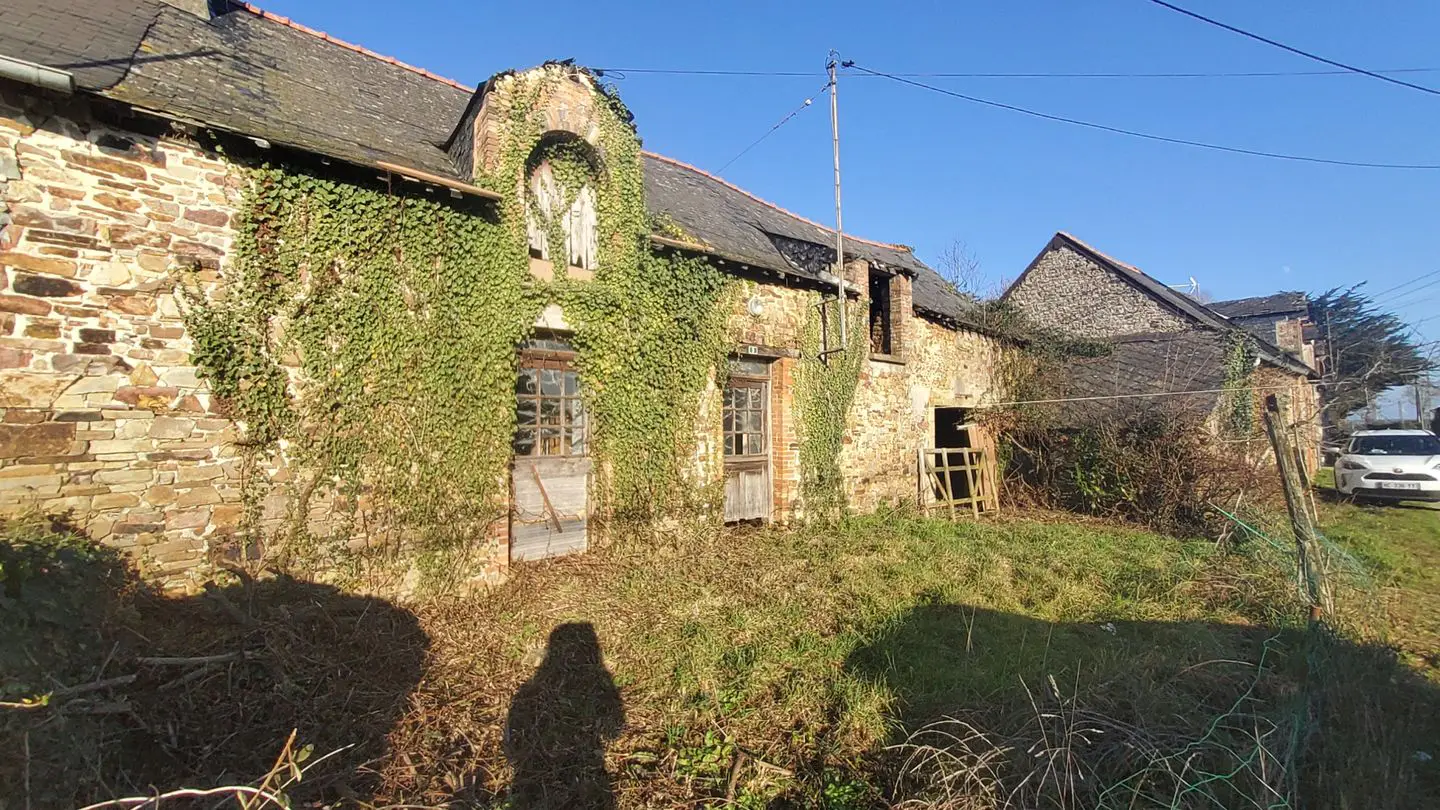
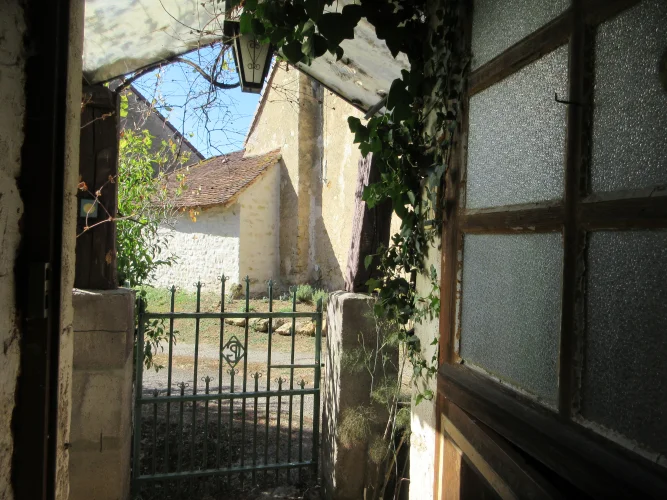
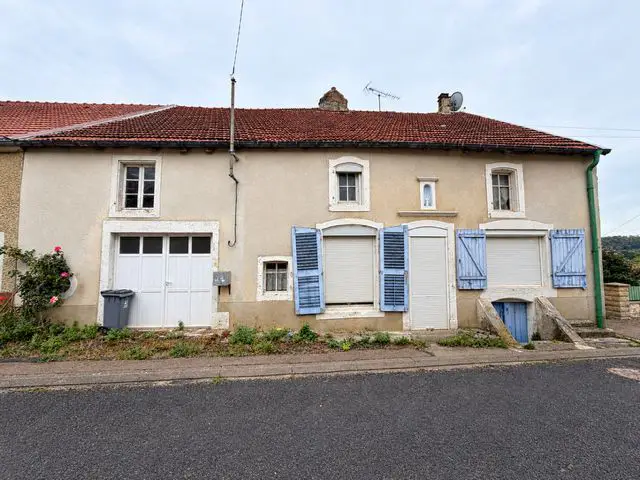
The renovation tier sits between €11,000 and €40,000. These are stone village houses that haven't been touched since the 1970s, often abandoned after an elderly owner died. Think solid bones — beams, slate roofs, tile floors — but no working bathroom by modern standards, lead paint, asbestos in the fibrocement roof underlay, single-pane windows, and electrics that fail any DPE energy diagnostic. They're ideal if you want a project, have time, and ideally speak some French to manage local artisans.
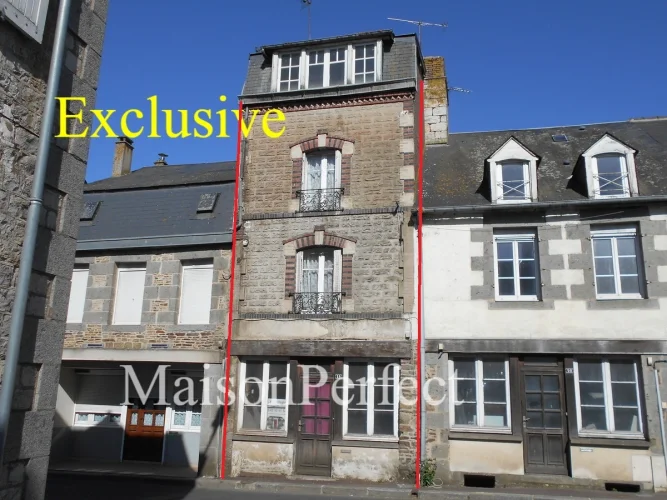
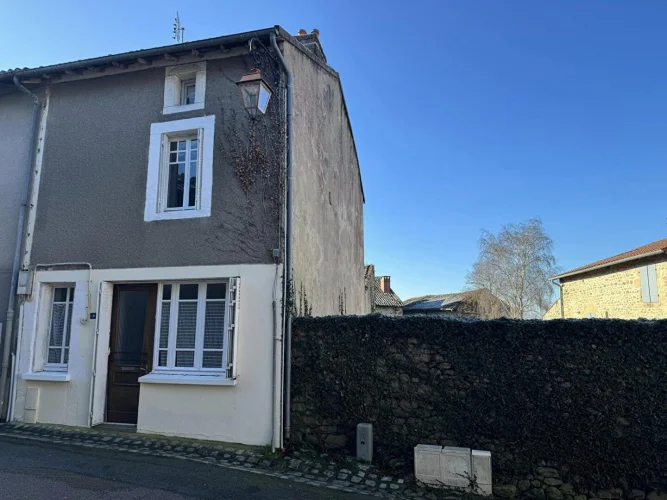
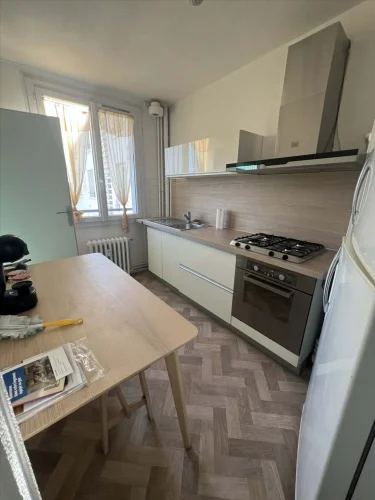
The habitable tier starts around €55,000 and runs to about €120,000 — a fully restored three-bedroom rural house with mains drainage, a new kitchen, an honest DPE rating and a paved driveway. From €54,900 in Pays de la Loire, from €56,000 in the Limousin, and from around €59,000 in inland Brittany on our current scrape. The cheapest moves-in-ready in France are almost always in the four central departments: Creuse, Haute-Vienne, Indre, Allier. Beyond that, prices scale up smoothly with proximity to a TGV station or a coastline.
Honest take: a €15,000 house with €40,000 of work is not the same project as a €55,000 house with no work — even though they cost the same. Renovation in France is heavily regulated, requires a French SIRET-registered artisan to qualify for many grants, and easily overruns by 30%. We tag DreamProp listings "renovation" so you can filter accordingly.
3. Where cheap France actually is
The cheapest property in France is in the Massif Central and its margins, plus the inland departments of Normandy and the Loire. Skip Provence, the Côte d'Azur, Aquitaine's coast, Île-de-France and the Alps if "cheap" is your priority.
| Region / Department | Avg €/m² (2026) | Habitable from | Best for |
|---|---|---|---|
| Creuse (23) | ~€800 | €42k | Cheapest department in France |
| Haute-Vienne (87) / Limousin | ~€1,000 | €56k | Limoges airport, expat hub |
| Indre (36) | ~€900 | €45k | Berry stone houses, central |
| Cantal (15) / Auvergne | ~€1,100 | €55k | Volcanic mountains, slow living |
| Allier (03) | ~€900 | €50k | Spa towns, Vichy, Loire west |
| Inland Brittany (Côtes-d'Armor, Morbihan interior) | ~€1,400 | €59k | Stone, sea within an hour |
| Pays de la Loire (Mayenne, Sarthe) | ~€1,300 | €55k | TGV to Paris, soft countryside |
| Lower Normandy (Orne, Manche interior) | ~€1,250 | €60k | Closest cheap region to UK |
| Lot & Aveyron (interior Occitanie) | ~€1,500 | €68k | Stone, sun, Dordogne adjacent |
Sources: SeLoger and Notaires de France Q3–Q4 2026 indices, MeilleursAgents departmental data, our own scraped DreamProp listings.
4. Region-by-region: what your budget really buys
Creuse & the Limousin
🌳 Statistically the cheapest department in France
Creuse (23) is the price floor of mainland France. Two-bedroom stone houses needing renovation start under €15,000; restored three-beds sit around €45,000–€75,000. The neighbouring Haute-Vienne adds Limoges airport (Ryanair from the UK), a large existing British expat community, and the same gentle wooded countryside. Genuinely under-the-radar: more cows than people, fishing lakes, very little tourism.
Cheapest pockets: north Creuse, the Plateau de Millevaches, Châteauponsac.
Auvergne & the Massif Central
🌋 Volcanoes, lakes, the cleanest air in mainland Europe
Cantal (15) and Haute-Loire (43) hide some of France's most underrated countryside. Stone burons and farmhouses with three or four hectares of meadow — the sort of property the Cévennes and Provence used to deliver — still appear at €55,000–€120,000. Aurillac and Le Puy-en-Velay airports keep you connected. Real winter, unbelievable summer hiking.
Cheapest pockets: Margeride, Cézallier, Velay volcanoes.
Inland Brittany
🌊 The Atlantic at one end, granite stone houses everywhere
Côtes-d'Armor and Morbihan interior — 30–60 minutes from a beach and roughly half the price of coastal Brittany. From €59,000 for restored stone longères, with three-bedroom homes at €80,000–€120,000. Direct ferry crossings from Plymouth and Portsmouth make it the easiest-access cheap region for British buyers.
Cheapest pockets: Centre Bretagne, Argoat, the inland triangle Pontivy–Loudéac–Carhaix.
Lower Normandy interior
🏰 The closest cheap France to the UK
Orne (61) and the inland Manche are two-hour drives from Cherbourg or Caen ferries — easily a one-day trip from London. From €60,000 for a habitable stone-and-cob farmhouse with garden. The Suisse Normande and the Bocage Virois deliver rolling hills, cider orchards, half-timbered villages, and a genuinely under-bought countryside since the post-Brexit British exodus.
Cheapest pockets: Bocage Virois, Pays d'Auge interior, Mortainais.
Pays de la Loire (Mayenne, Sarthe)
🚄 90 minutes to Paris by TGV, 1 hour to the Atlantic
The combination most cheap French regions don't have: connectivity. Sarthe (Le Mans is on the TGV) and Mayenne deliver habitable houses from €54,900, often with two or three bedrooms and a small garden, in villages that still have a boulangerie and a school. If you want cheap but not isolated, this is your region.
Cheapest pockets: Mayenne north, Sarthe west, Vendée interior.
Lot, Aveyron & Tarn (interior Occitanie)
☀️ Stone, sun, Dordogne-adjacent prices without the Dordogne tag
The southern bargain belt. Lot (46), Aveyron (12) and Tarn (81) sit just below the famous (and expensive) Dordogne and just east of the Quercy. From €68,000 for restored stone houses with land, from €120,000 for the same with a pool. Rodez, Brive and Toulouse airports cover all three departments.
Cheapest pockets: Ségala, Aubrac, Causse de Sauveterre.
6. Brexit, EES, and the 90/180-day reality
For UK buyers — still the largest foreign cohort in the cheap-France market — 2026 is the first full year with the EU's Entry/Exit System (EES) live. Every crossing into the Schengen area is now logged biometrically. The 90-days-in-180 rule is no longer something you can fudge.
Owning property in France grants no residency right and no extension of the 90/180. To stay longer, UK (and other non-EU) buyers need a long-stay visa applied for before arrival, at least three months ahead:
- 1 VLS-TS Visiteur — the standard second-home / retiree visa. 12 months, renewable, requires proof of income at French SMIC level (around €1,823/month for a single applicant in 2026, ~€2,500 for a couple). No working in France allowed.
- 2 VLS-T Temporaire — 4–6 months, single use, no path to renewal. Useful for renovation summers.
- 3 Talent Passport — for remote workers, qualified employees and entrepreneurs. 4-year permit; same family allowed.
EU citizens, of course, retain freedom of movement. Buying a French property as a German, Irish, Dutch or Italian citizen remains the simplest cross-border purchase in Europe.
For the full French buying process, notaire walkthrough, mortgage rules and tax breakdown, see our France buying guide.
7. Frequently asked questions
What is the cheapest department in France to buy a house?
Creuse (23) in the former Limousin region. Average €/m² sits around €800 and renovation-ready stone houses start under €15,000. The neighbouring Haute-Vienne (87), Indre (36) and Allier (03) are similarly cheap. Habitable houses (no work needed) start around €42,000–€56,000 in these departments.
Can I really buy a house in France for €11,000?
Yes — but it will be a renovation project. Genuine listings under €15,000 in Creuse and rural Limousin appear regularly, but they typically need a new roof, electrics, plumbing and bathroom — usually €30,000–€60,000 of work. For a habitable house, budget €55,000+ in the cheapest departments.
Can British buyers still buy property in France after Brexit?
Yes, completely freely — there are no restrictions on foreign buyers. What changed is residency: UK citizens can stay 90 days in any 180 without a visa, and owning property does not extend that. The EU Entry/Exit System (EES) has been live since 2025 and now logs every crossing biometrically, so the 90/180 count is enforced automatically.
How much are the closing costs (frais de notaire) on a cheap French house?
About 7–8% of the purchase price for resale properties — but most of that is government transfer tax, not the notaire fee. On a €40,000 cheap house that is roughly €3,000–€3,200 of closing costs. New-build properties only pay 2–3% because the transfer tax is much lower.
Do I need a French bank account or French income to buy?
No. You can wire purchase funds from any country. A French bank account is useful but not required — most non-resident buyers open one anyway to handle utility direct debits, taxe foncière payments and renovation invoices once the keys are theirs. Crédit Agricole, Société Générale and BNP Paribas are the most foreigner-friendly.
What is the taxe d'habitation and do I have to pay it on a second home?
Taxe d'habitation was abolished for primary residences in 2023 but remains payable on second homes. For a typical cheap rural house it is €500–€1,500 per year, on top of the annual taxe foncière (which everyone pays). Some communes in tourist-pressure zones now apply a 60% second-home surcharge — check before buying.
Can I get a mortgage on a cheap French property as a non-resident?
Yes, but most French banks require a minimum loan of €100,000 and prefer purchases above €150,000. For sub-€80,000 rural property the practical answer is cash. A few specialists (e.g. International Private Finance, Crédit Foncier) do non-resident mortgages from €50,000 but the rates are higher than for residents.
Are there grants for renovating cheap French rural property?
Yes — MaPrimeRénov, Eco-PTZ (zero-interest renovation loans) and several departmental "habiter mieux" schemes exist for energy-efficiency upgrades. Most require you to be a French tax resident and to use a SIRET-registered RGE-certified artisan. Non-residents are excluded from the largest schemes but can still claim VAT at 5.5% on energy-efficiency works.