1. Why cheap Spain still exists in 2026
Most foreign buyers think Spain has been hoovered up. The Costas, the islands, Madrid, Barcelona — yes, those are expensive and getting worse. But Spain is enormous, and half of it is famously empty.
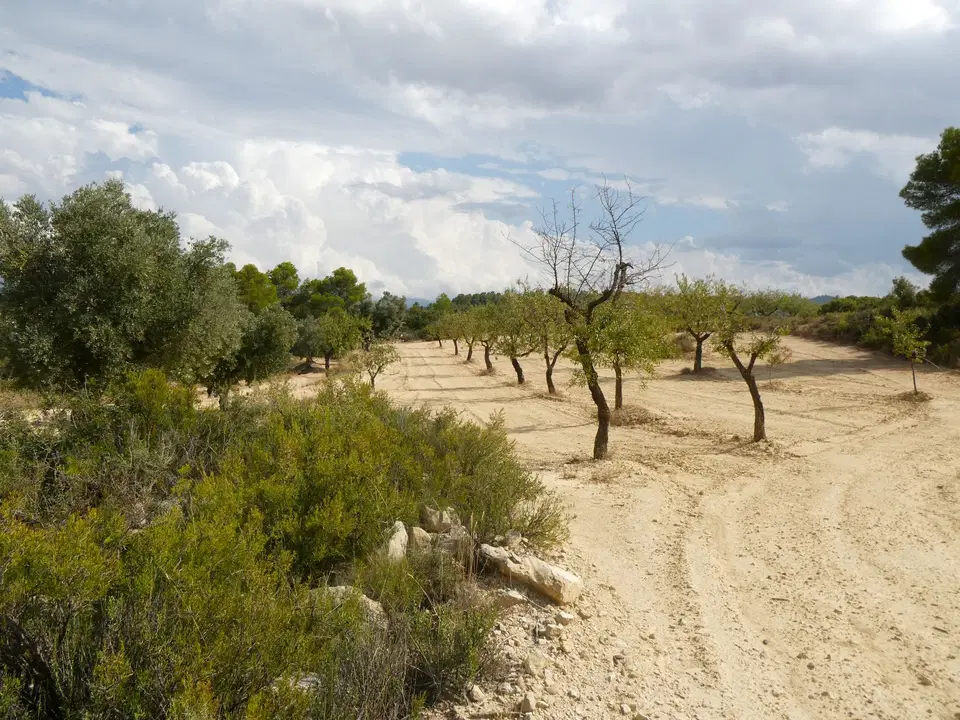
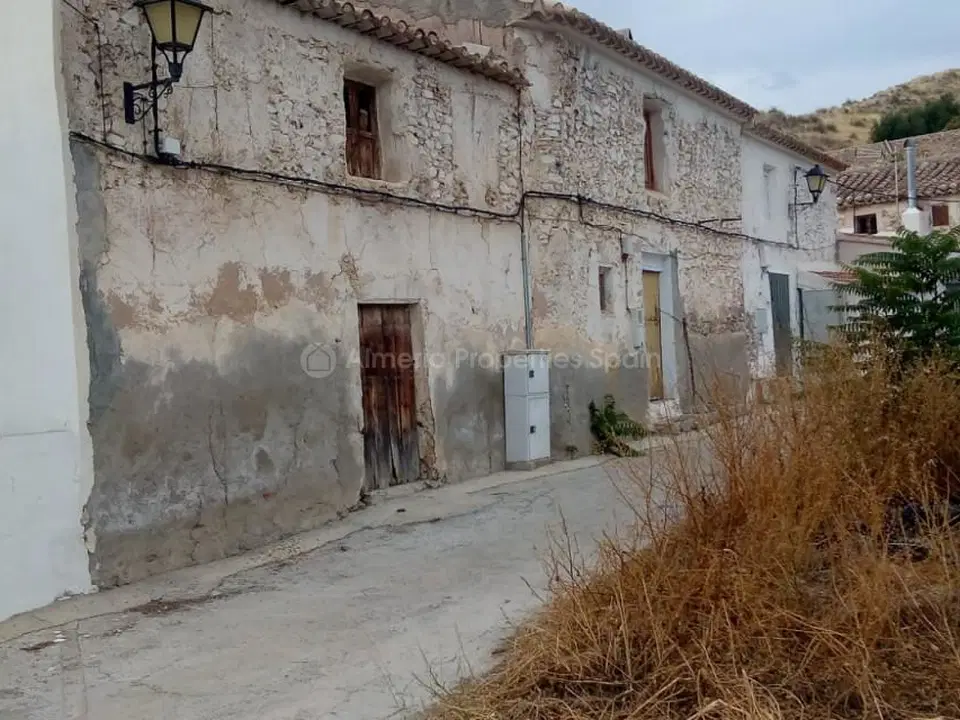
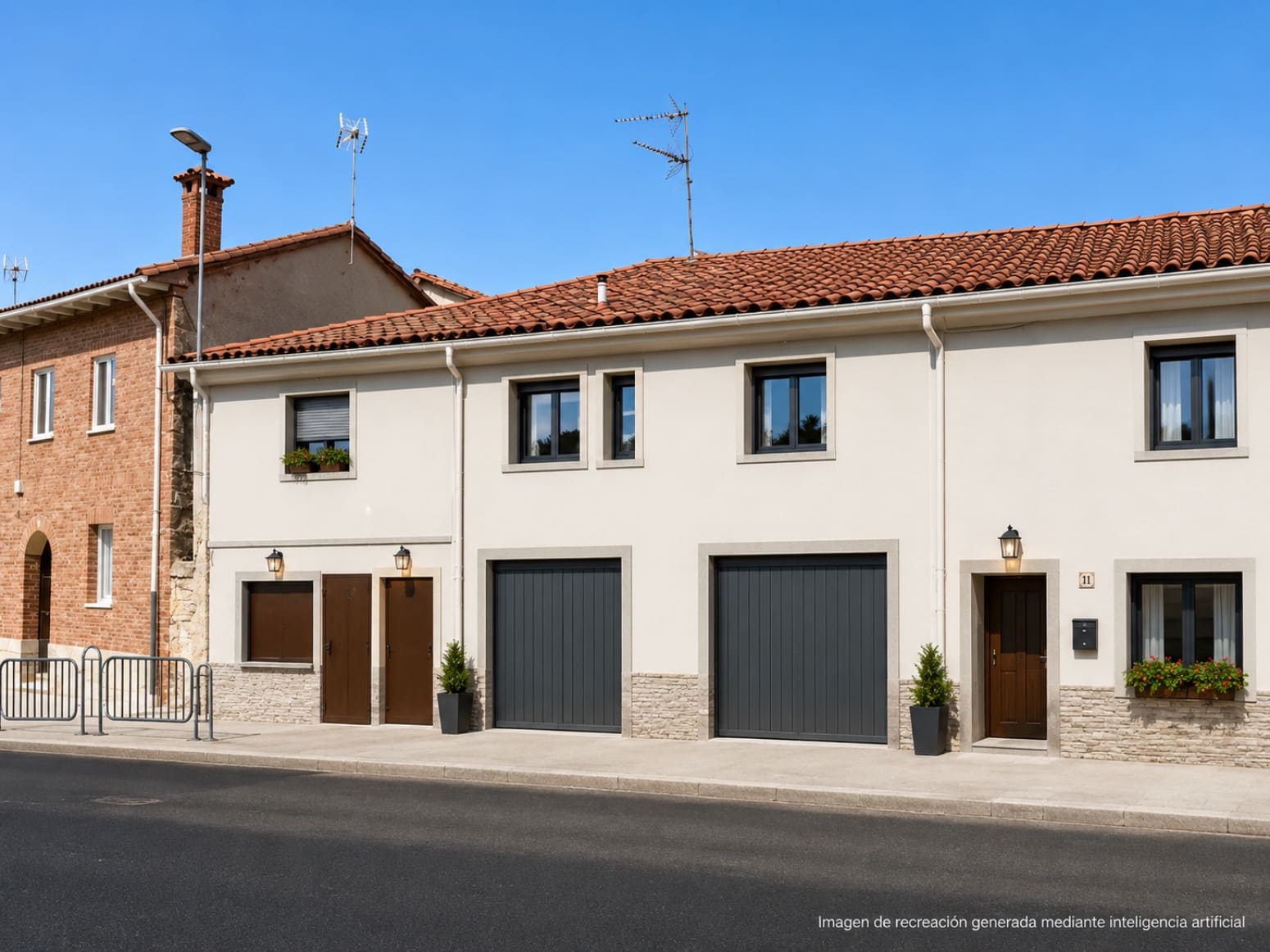
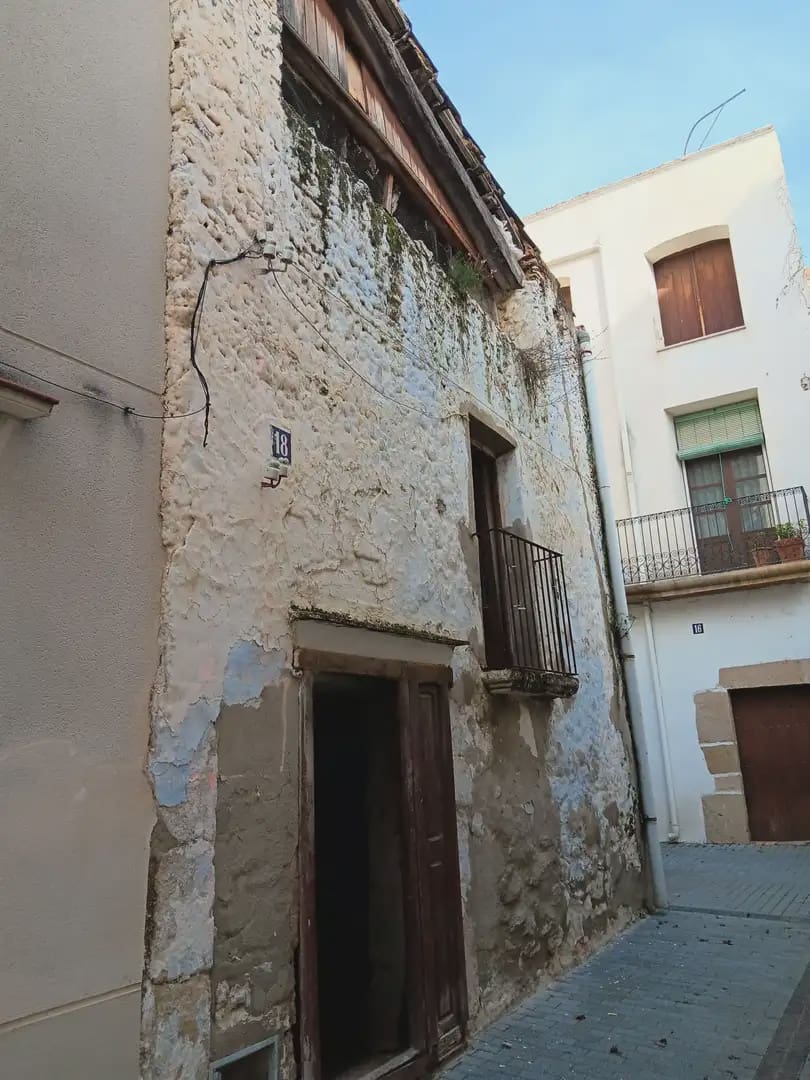
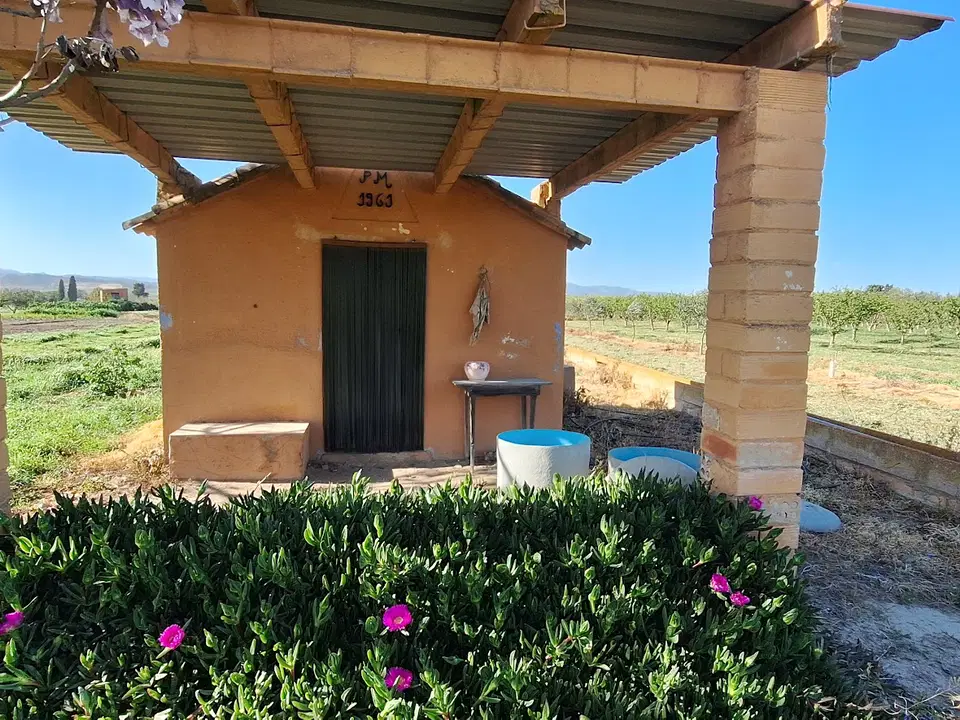
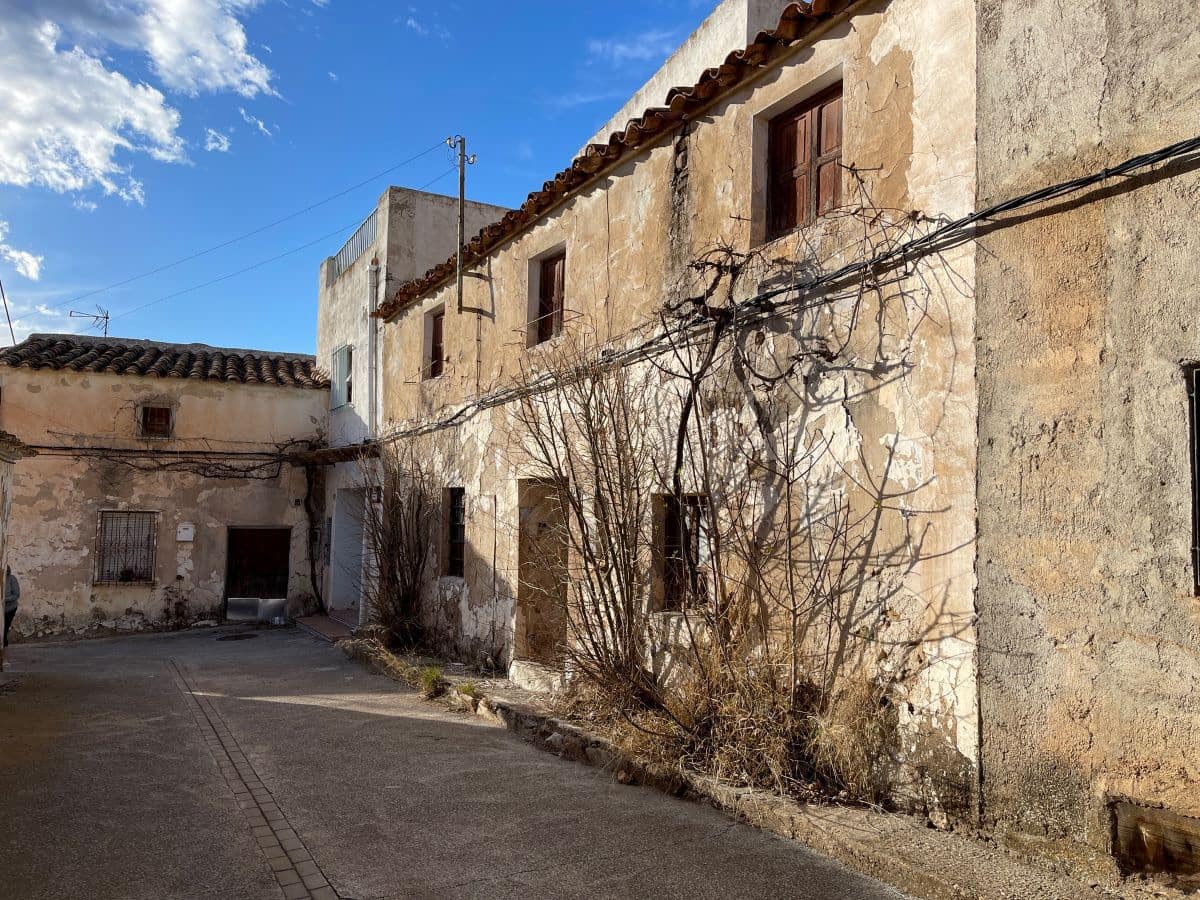
The phrase "España vaciada" — emptied Spain — describes the rural belt running from Galicia through Castilla y León, Aragón, Castilla-La Mancha and into Extremadura. These regions have lost a third of their working-age population since 1980. Whole villages have been listed for sale on Idealista with prices starting in the four figures, and rural local councils are actively recruiting foreign families with rebates and renovation grants. Aragón's Teruel province, in particular, has become famous for the cheapest property prices in the country: Albalate del Arzobispo sits at roughly €275–€300 per square metre — a house there costs about twenty times less than the equivalent in central Madrid.
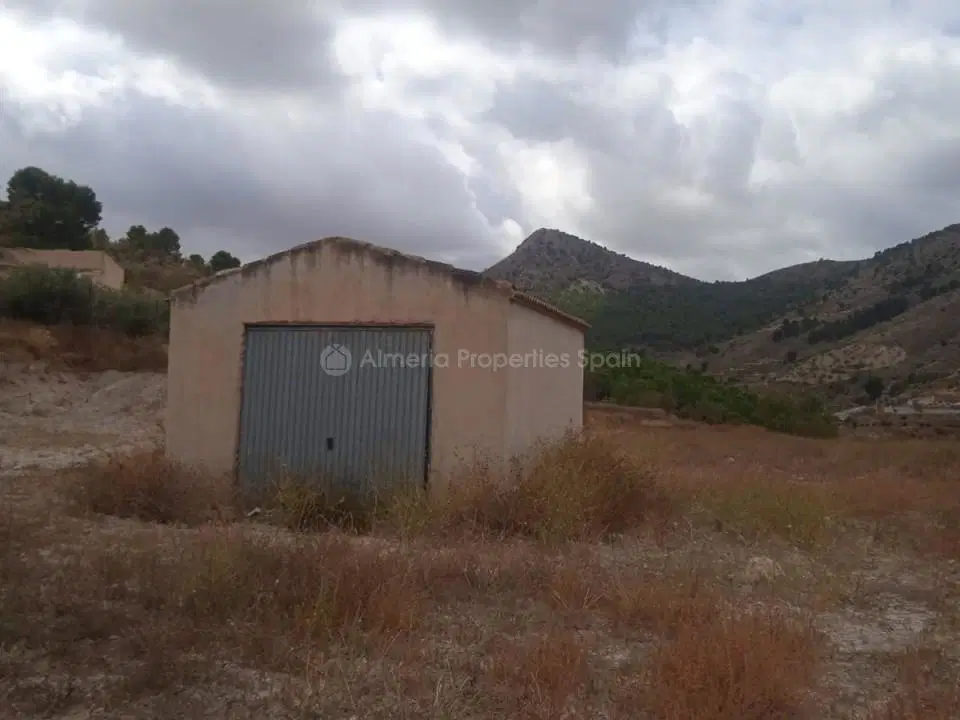
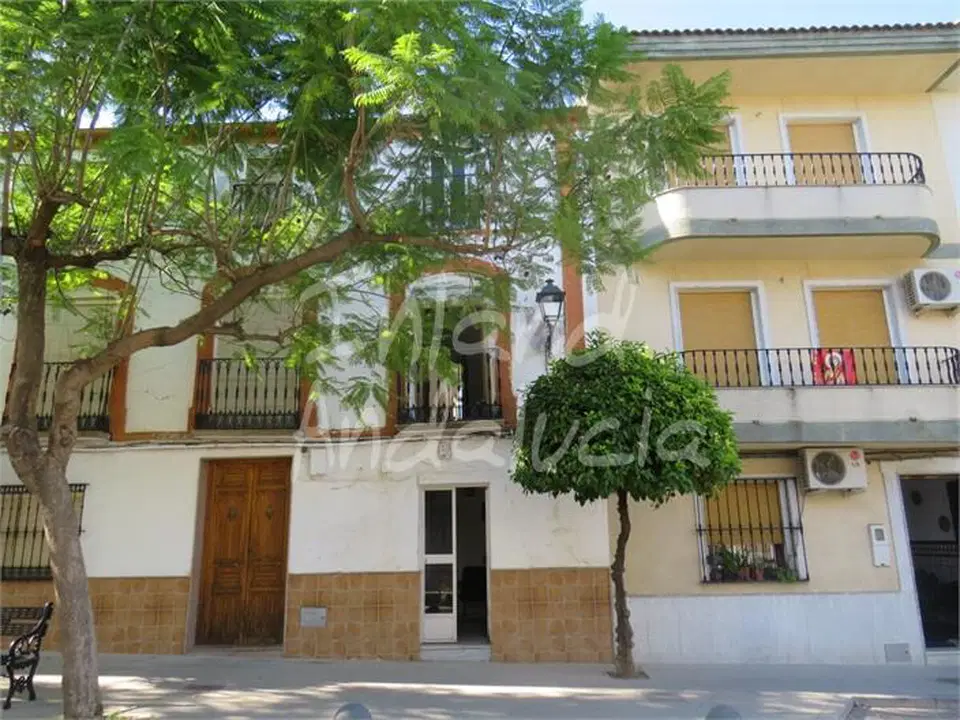
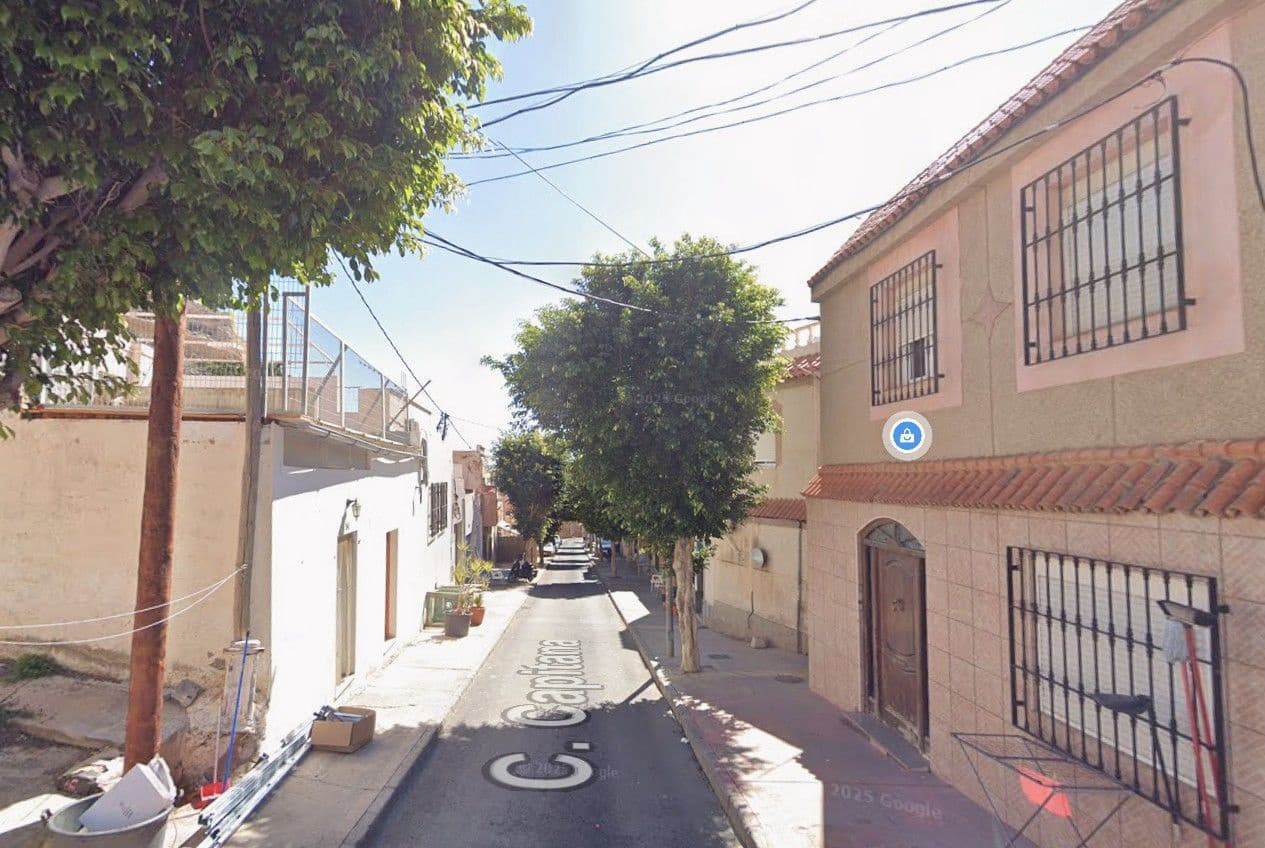
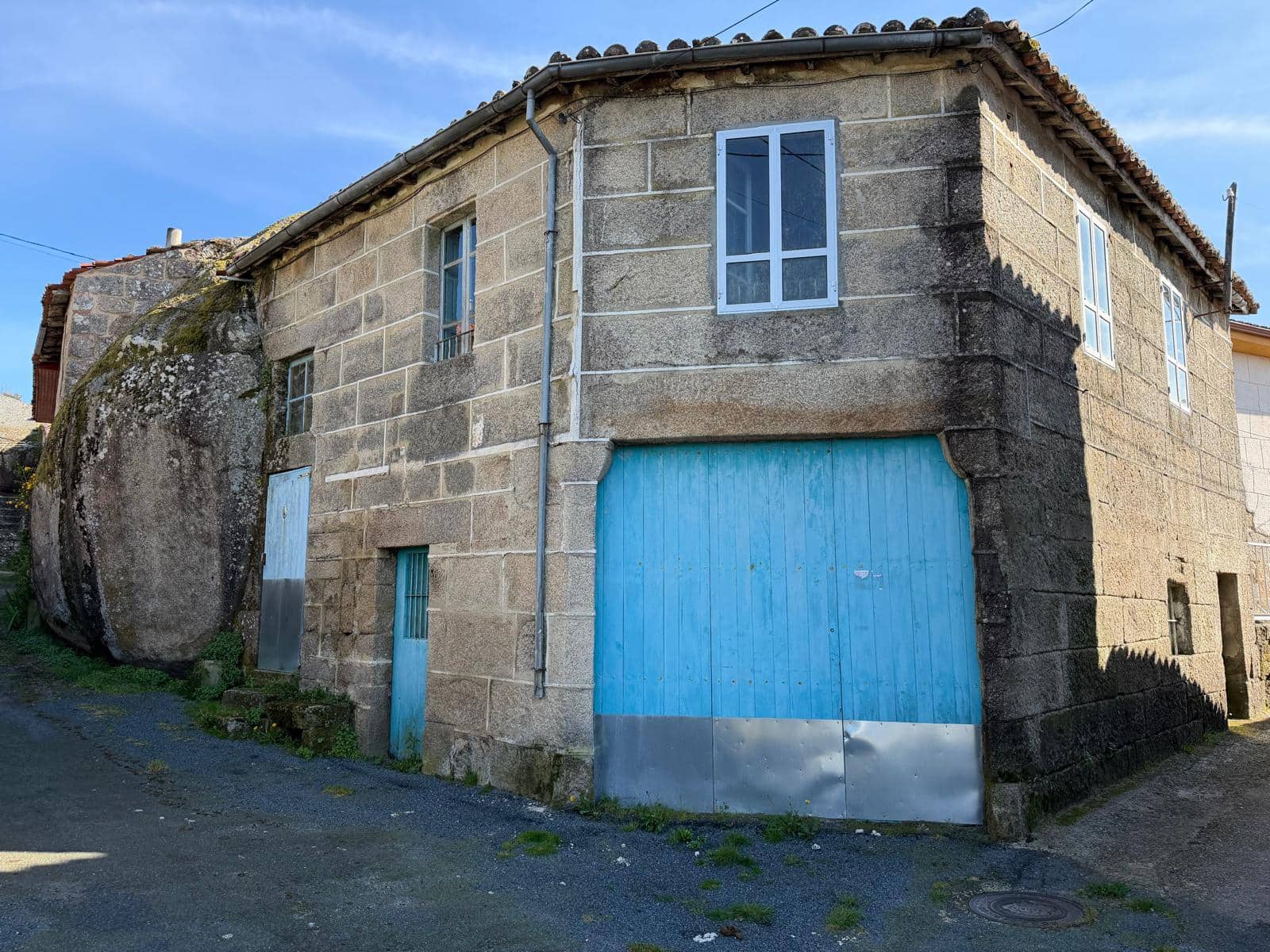
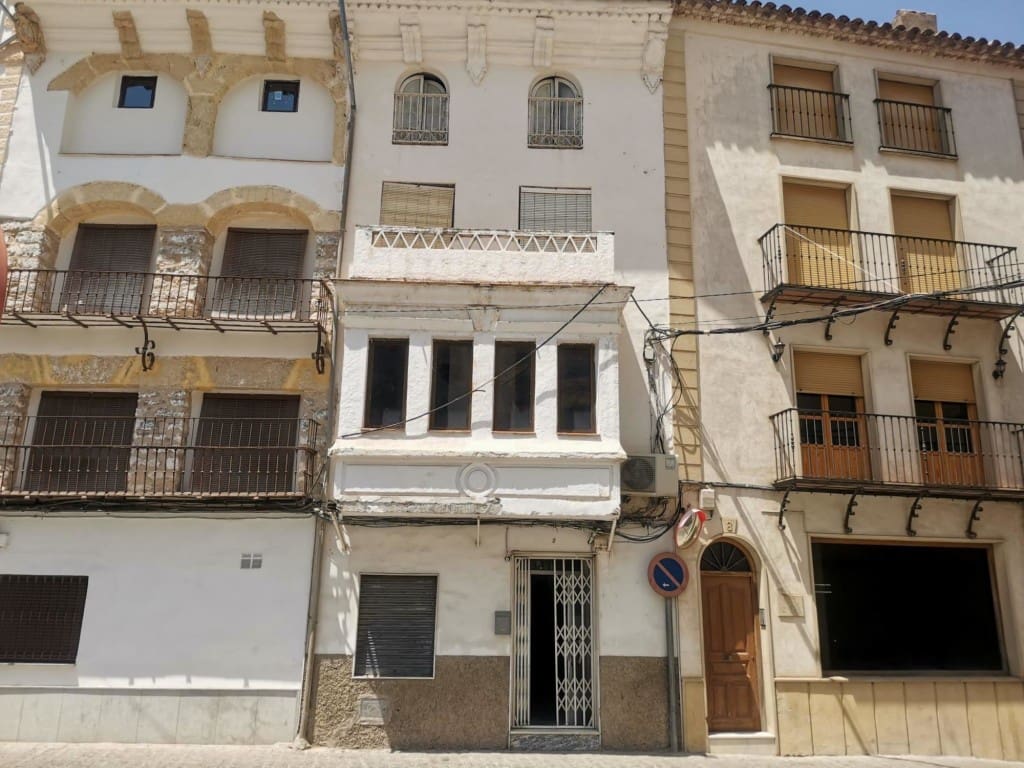
On the coast, the story is more nuanced. Andalucía's tourist strip is expensive, but interior Almería and inland Murcia (the Vega Alta and Noroeste comarcas) still deliver detached houses with land for under €100,000. Galicia — perpetually underrated by sun-chasers — has rural Lugo and Ourense villages with two-bedroom homes starting around €90,000, plus an average regional price of about €1,800/m² (less than half the cost of Costa del Sol). Cheap Spain isn't Mediterranean cliché; it's green, dry, mountainous and, often, weirdly beautiful.
2. The €1 villages and the Aragón price phenomenon
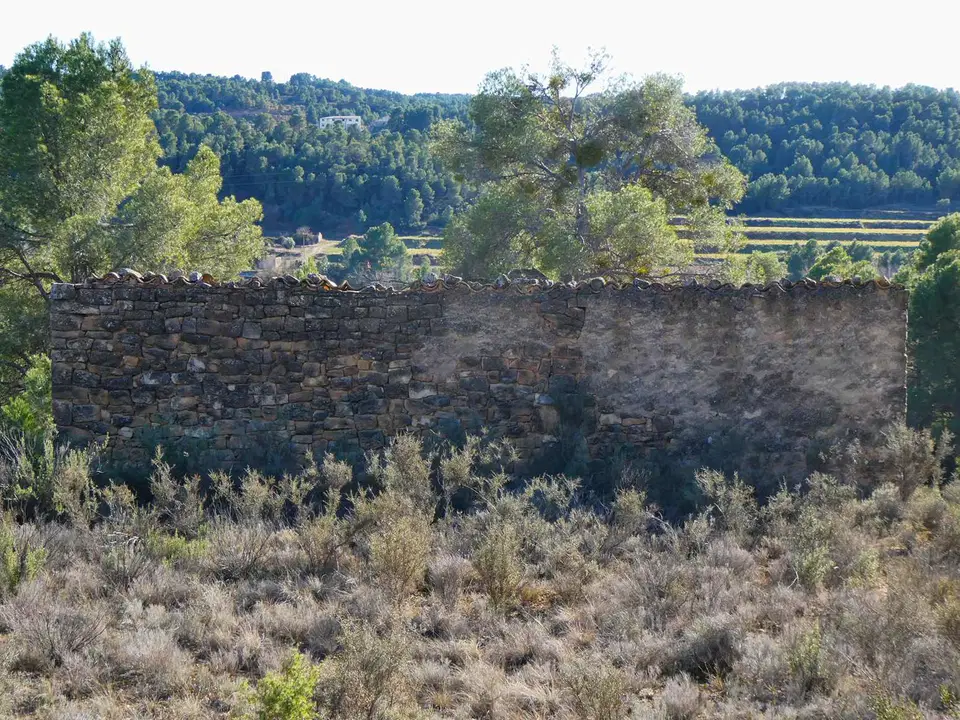
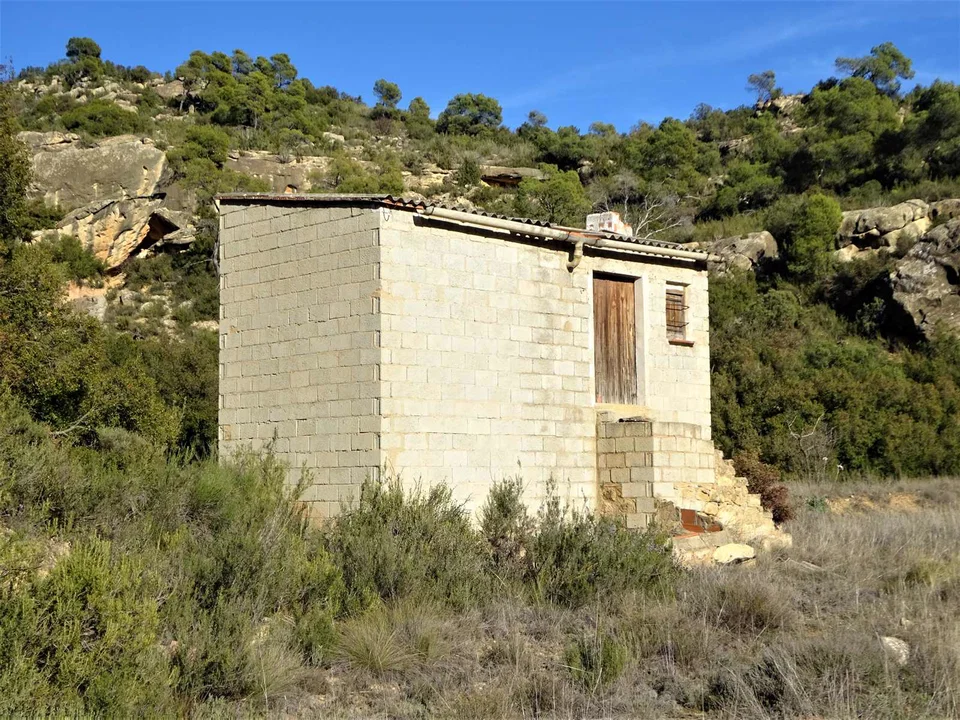
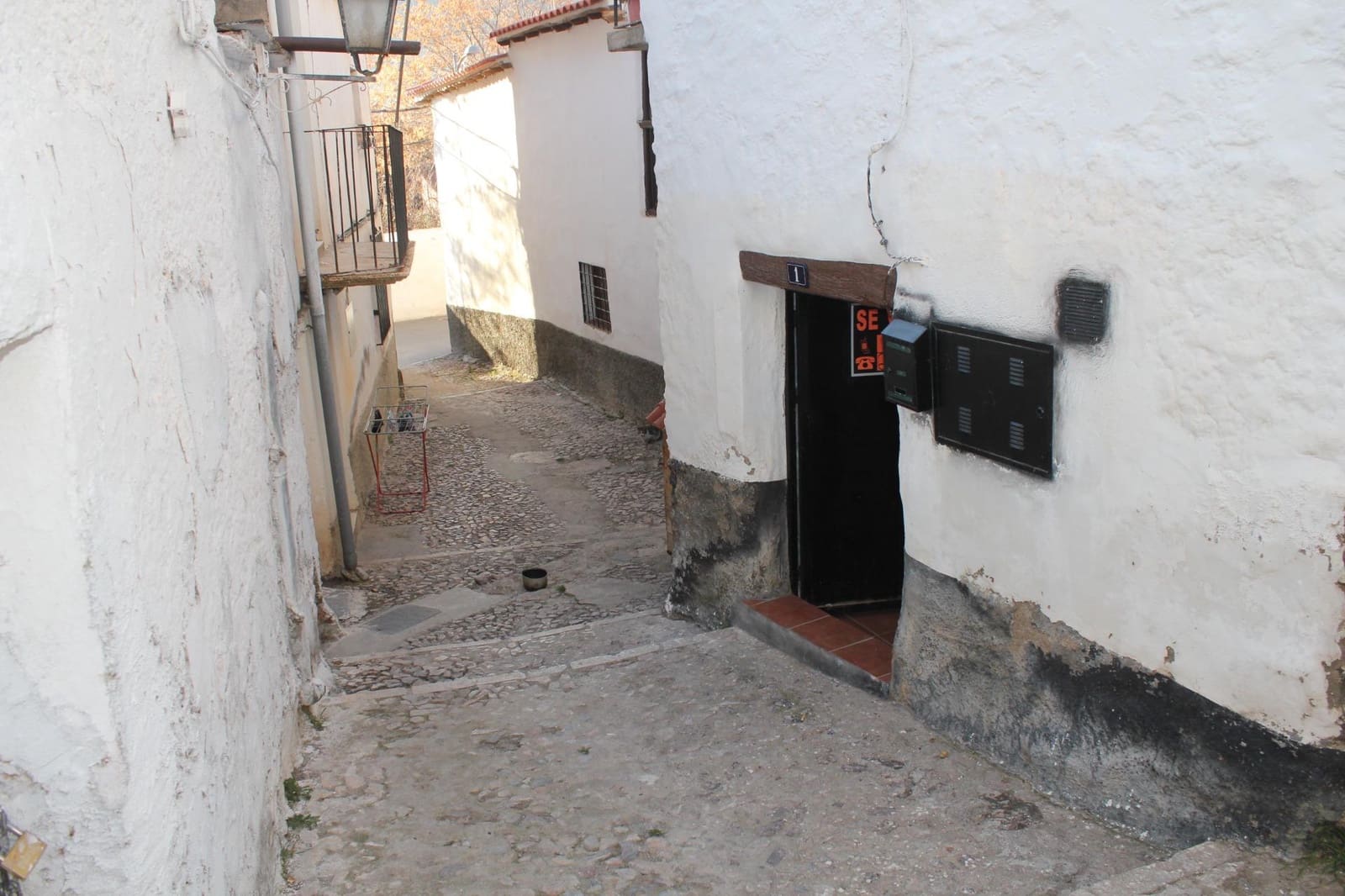
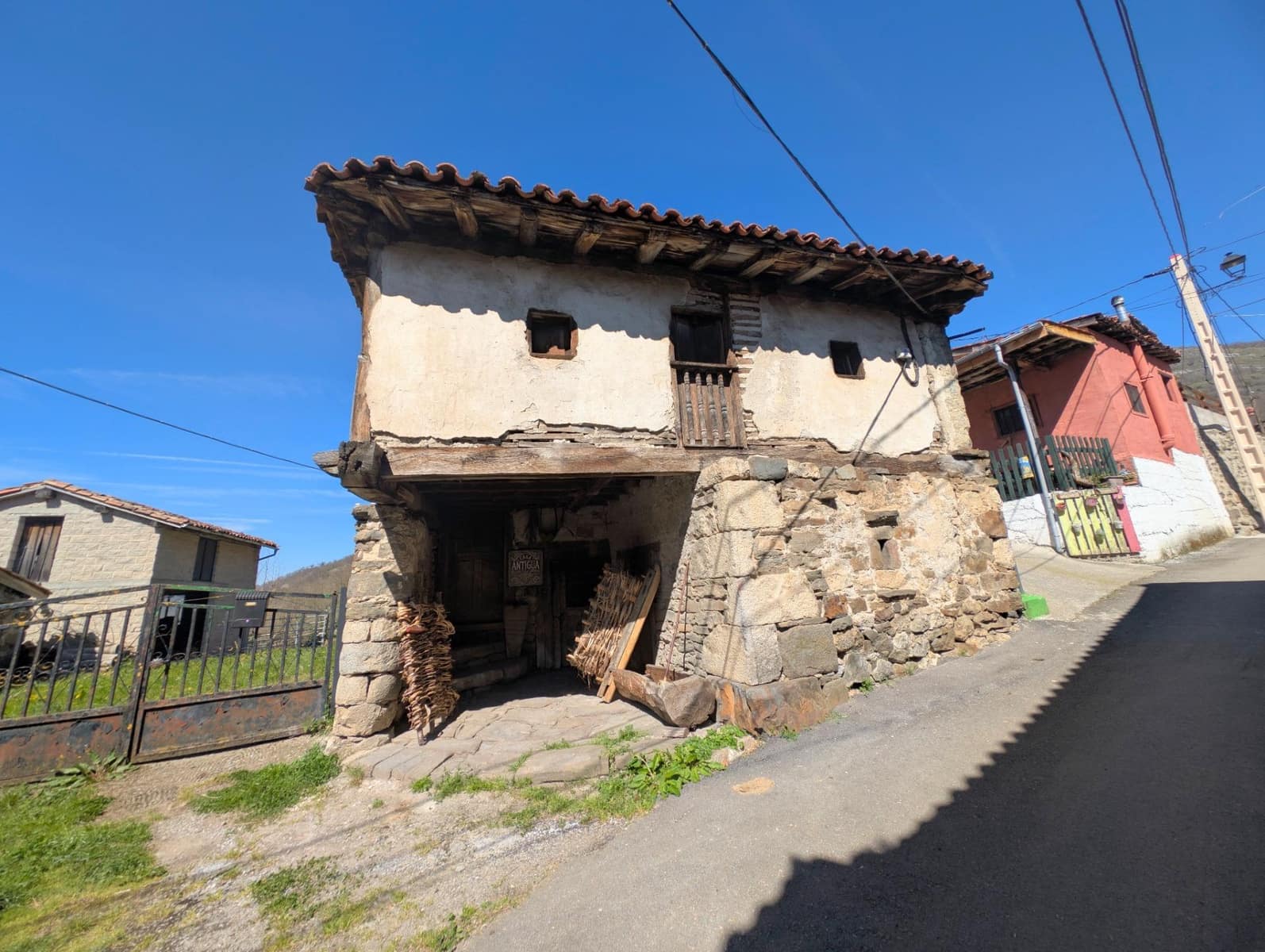
Spain doesn't have a national €1 house scheme like Italy's. What it has instead is something arguably wilder: entire abandoned villages on the open market. Aldeas en venta — Galician hamlets, Asturian valleys, Pyrenean caseríos — appear on Idealista regularly with eight to fifteen stone buildings included for under €200,000 total. Most need everything: roofs, water, electrical re-runs, often a new access road. They go to small developer collectives, eco-villages, agritourism projects, or the occasional retired couple who fancy being mayors.
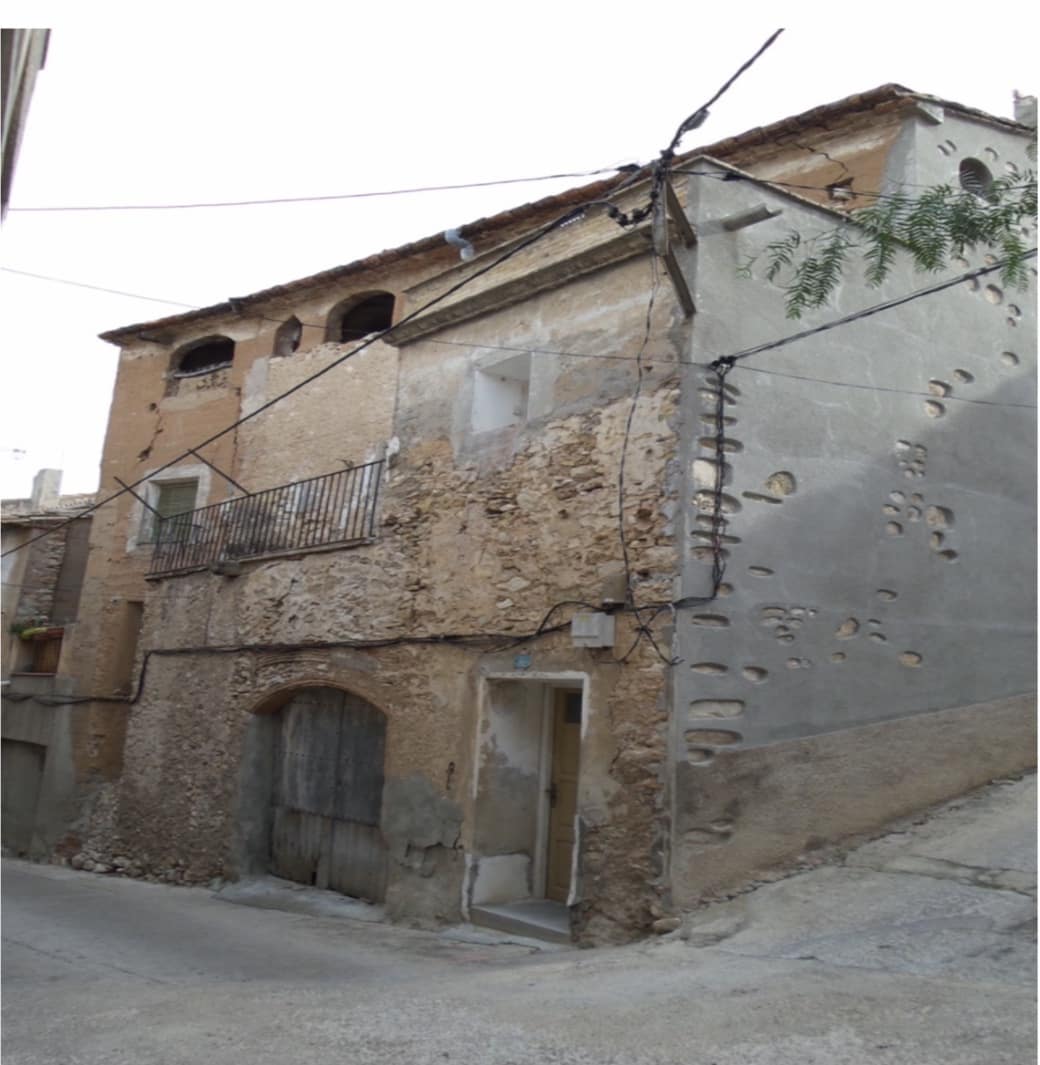
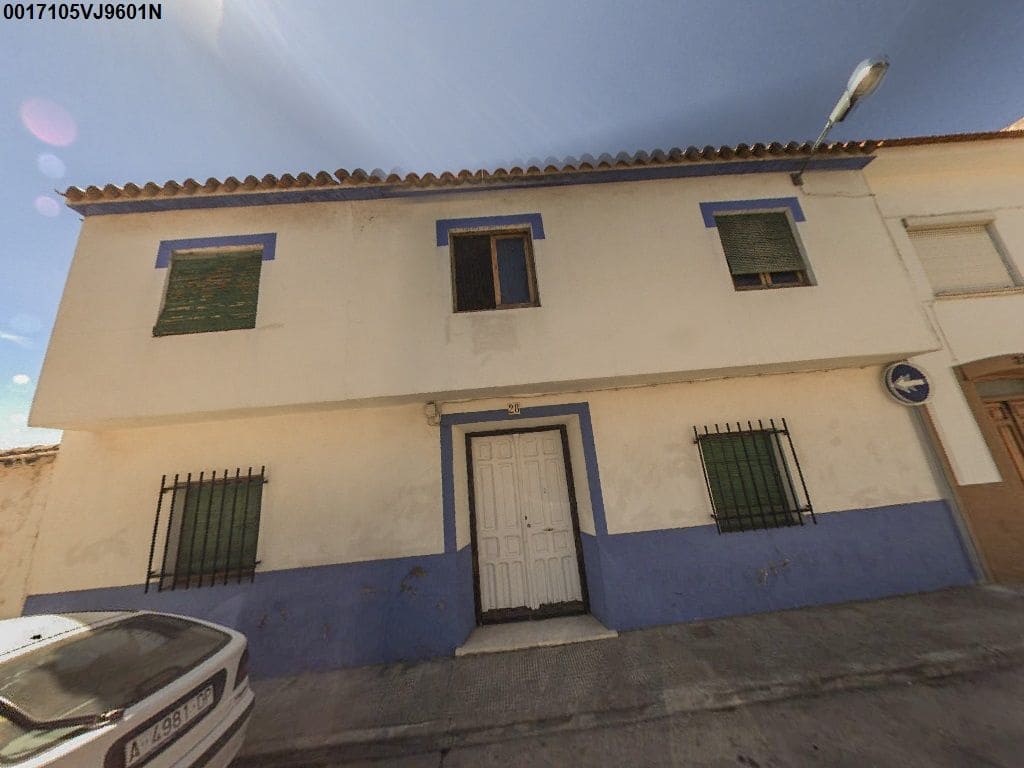
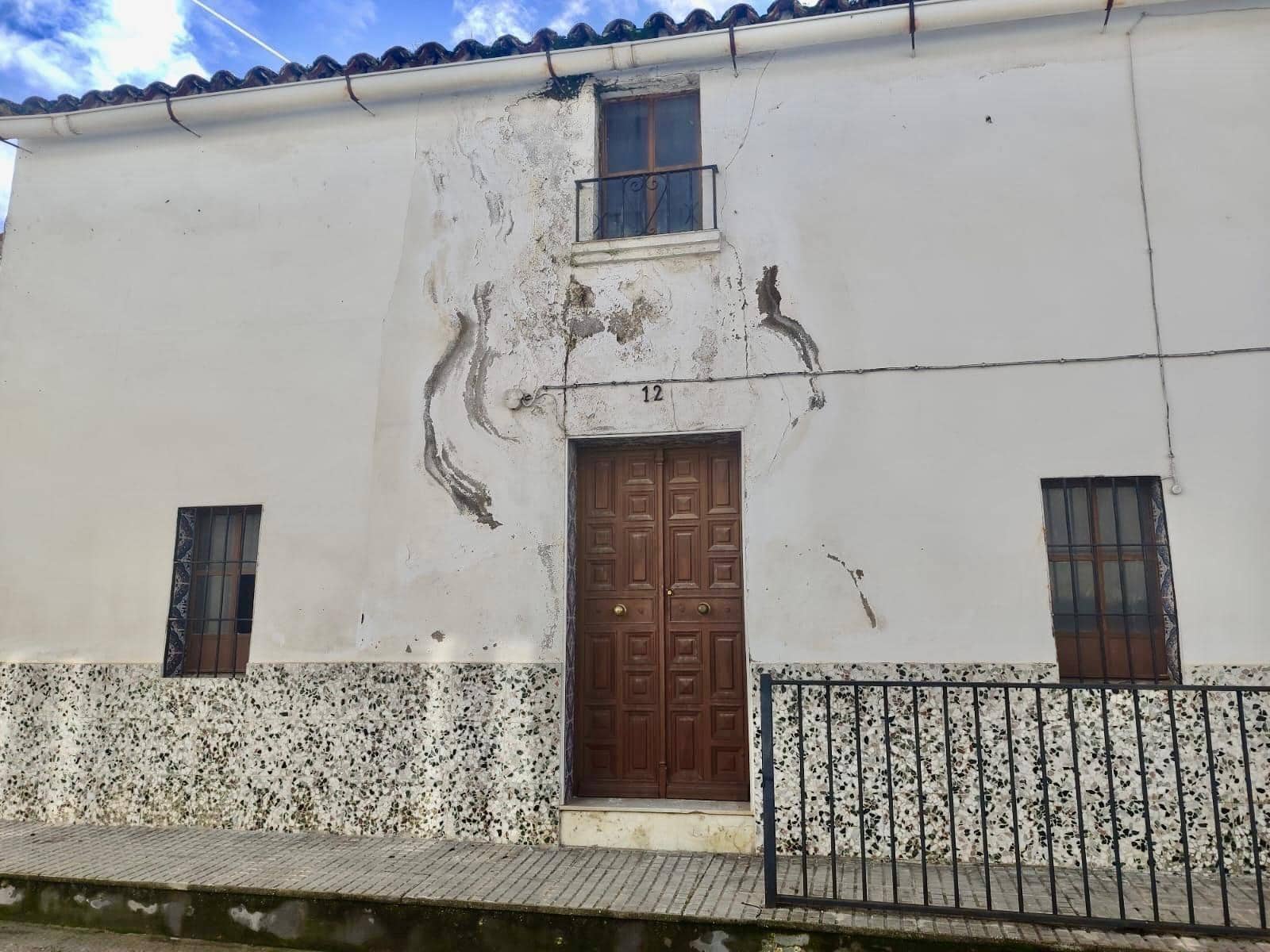
For the more conventional buyer, the genuine bargain is Teruel province in Aragón. Albalate del Arzobispo, Calanda, Andorra (the Spanish one) and a dozen surrounding villages routinely list three-bedroom stone village houses for €25,000–€55,000 that don't need full renovation — they need updating. The catch is location: Teruel is the only Spanish provincial capital with no functioning train link to Madrid, and winter temperatures can hit −10°C. Fly into Zaragoza or Valencia, hire a car, and accept that "cheap Spain" rarely means "easy Spain".
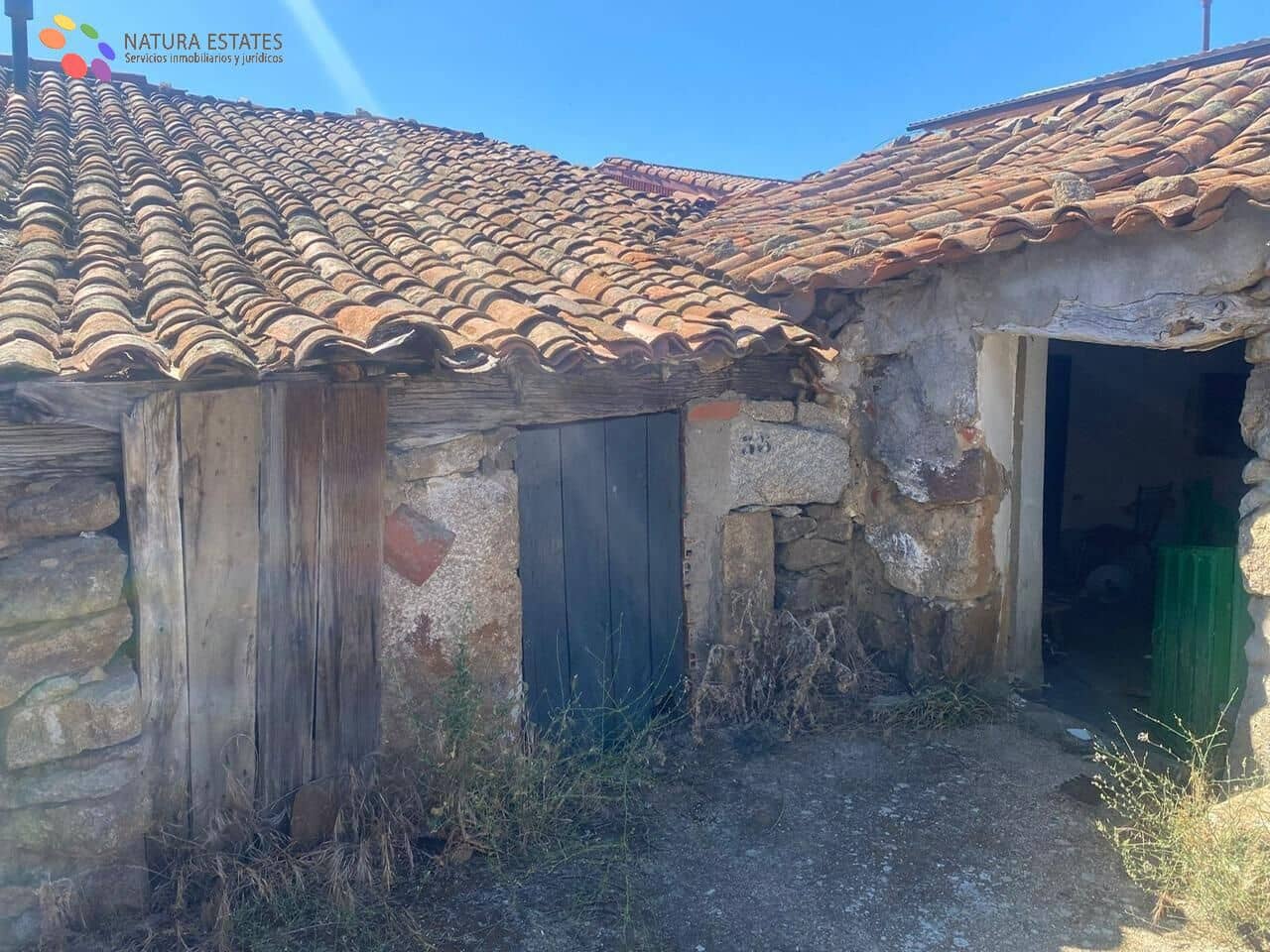
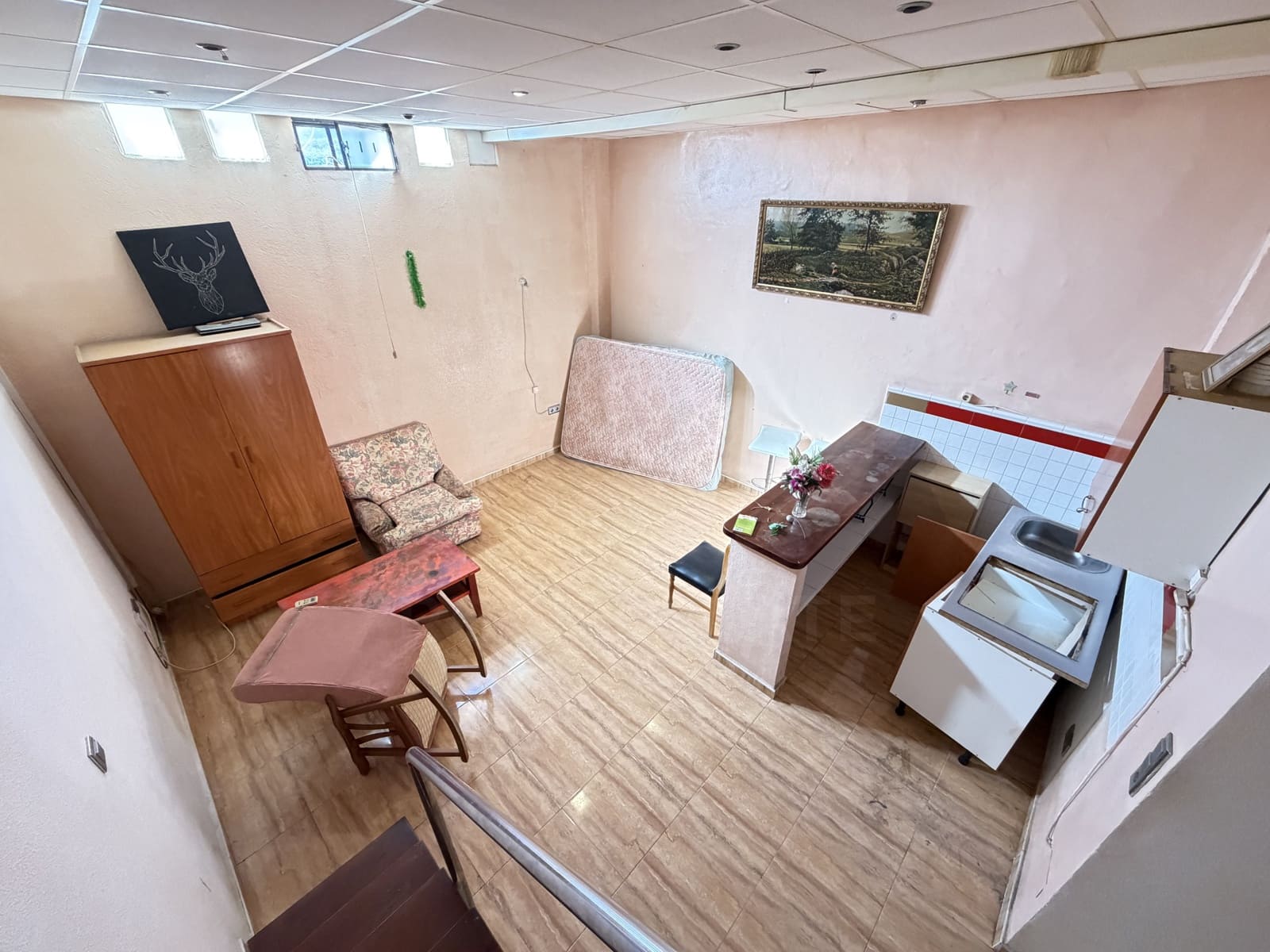
Honest take: any Spanish house listed under €40,000 will need work. The trick is confirming what kind. We always recommend you commission a Spanish arquitecto técnico survey before signing anything — they will check structural integrity, the cédula de habitabilidad, and whether the building has been legally registered with the Catastro. €300–€600 well spent on a cheap house.
3. Where cheap Spain actually is
The cheapest regions in Spain are almost the inverse of the famous ones. Skip the Costas, skip the islands, skip the metropolitan ring around Madrid and Barcelona. Look inland and north-west.
| Region | Avg €/m² (2026) | Habitable from | Best for |
|---|---|---|---|
| Aragón (Teruel) | €275–€600 | €25k | Cheapest village houses in Spain |
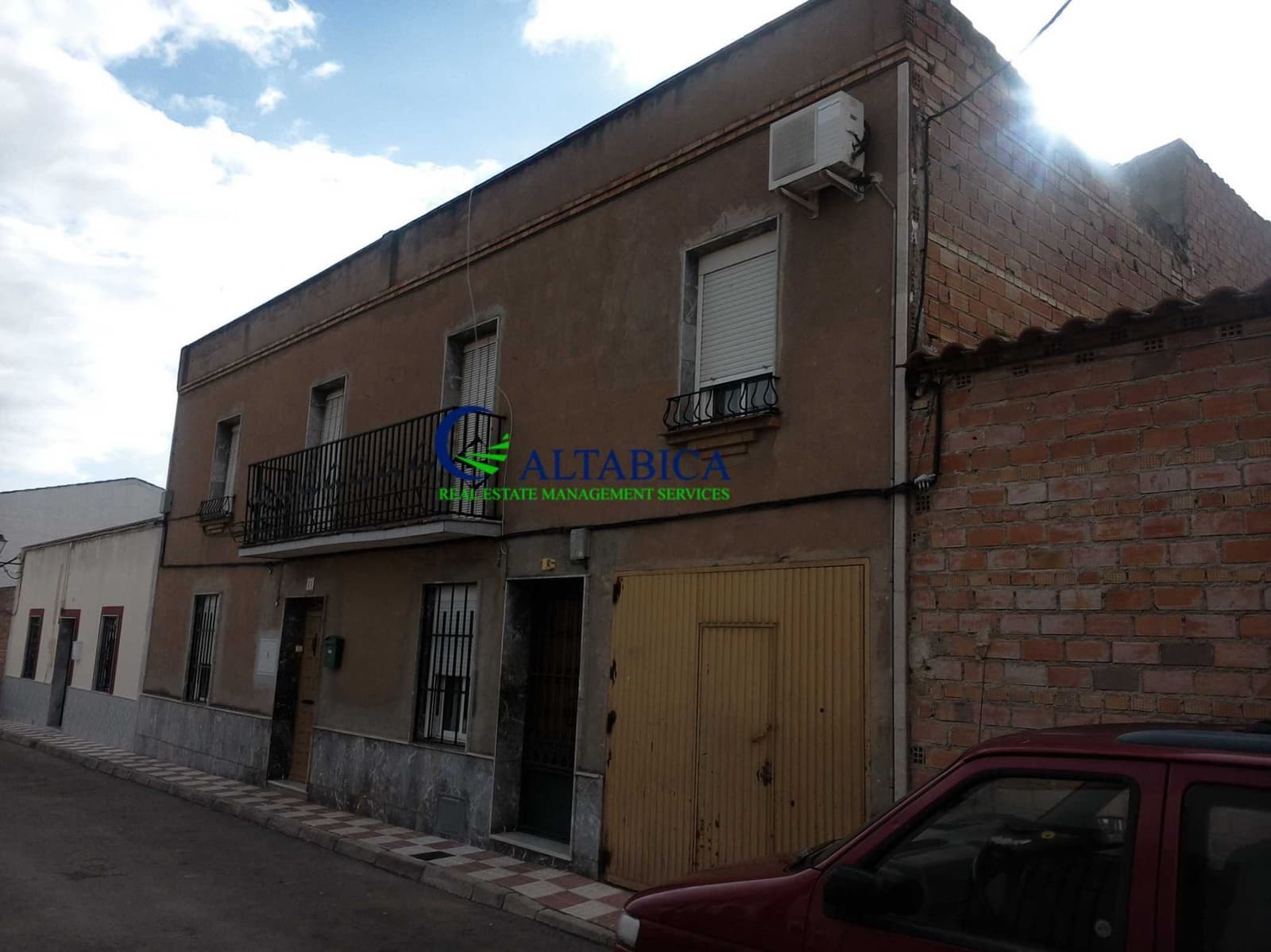
| Extremadura | €650 | €35k | Storks, oak forests, jamón ibérico |
| Castilla-La Mancha | €700 | €40k | Old Castile, day trip from Madrid |
| Rural Galicia (Lugo, Ourense) | €800–€1,800 | €60k | Green, wet, Atlantic, fantastic food |
| Asturias (interior) | €1,200 | €55k | Mountains, coastline, stone hórreos |
| Murcia & Almería (interior) | €1,000–€1,400 | €65k | Sun, dry climate, 30 min from coast |
| Inland Andalucía | €1,200–€1,600 | €70k | White villages, sierras, slow life |
| Castilla y León | €900 | €40k | Roman roads, cheap firewood, real winter |
Sources: Idealista España market reports (Q3–Q4 2026), Tinsa national index, El Español regional cost analysis (May 2026), our own scraped DreamProp listings.
4. Region-by-region: what your budget really buys
Aragón (Teruel province)
🌾 Cheapest housing in Spain · €275/m² in some villages
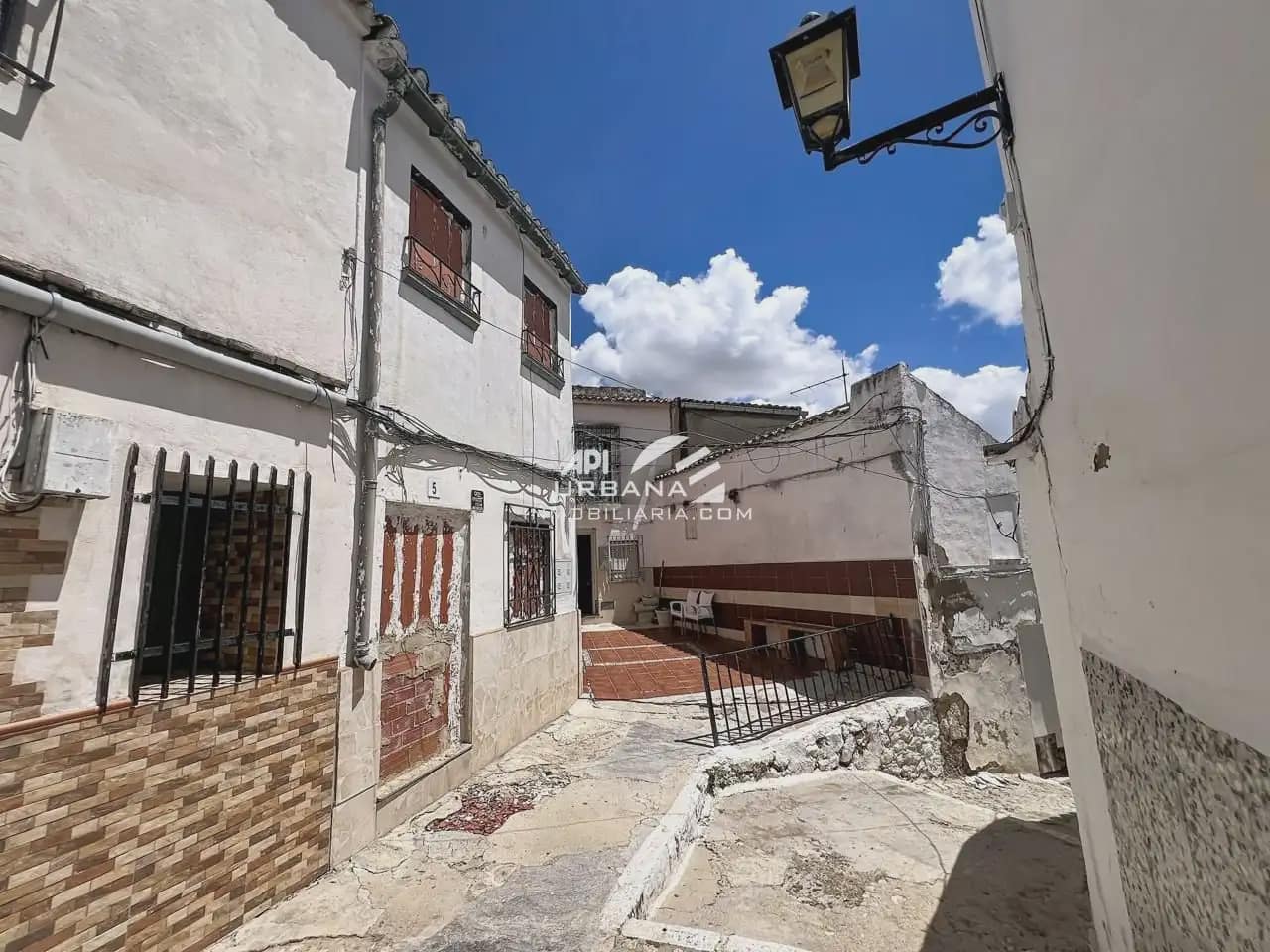
The least-populous province on the Spanish mainland and the cheapest place to own a house in Western Europe outside rural Italy. Stone village houses from €25,000, three-bedroom restored homes around €55,000, and entire ruined hamlets occasionally appearing under €100,000. Brutal winters, hot summers, and the famous Mudéjar architecture. Closest airport: Zaragoza or Valencia (each ~2 hours).
Cheapest pockets: Maestrazgo, Bajo Aragón, Sierra de Albarracín.
Galicia (Lugo & Ourense)
☔ Atlantic, green, Celtic, criminally underrated
The bagpipe-and-rain part of Spain. Ourense's interior valleys and Lugo's stone-house heartland deliver two-bedroom homes from €60,000 and three-bedroom restored cottages from €90,000. Average €/m² in Galicia is roughly €1,800 — and coastal prime areas still cost less than half what similar properties make on the Costa del Sol. Excellent food, fantastic seafood, and an emerging digital-nomad scene around Santiago de Compostela.
Cheapest pockets: Ribeira Sacra, A Limia, the Os Ancares mountains.
Extremadura
🐷 Storks, dehesa oak forests, slow Spain
Spain's least-discovered region. The Cáceres and Badajoz provinces have an average €/m² around €650. Townhouses from €35,000 in places like Trujillo, Coria and Plasencia. Brilliantly preserved Roman and medieval towns (Mérida is a UNESCO site), serious heat in summer, and the famous jamón ibérico de bellota. Lisbon airport is closer than Madrid for the western Badajoz strip.
Cheapest pockets: Sierra de Gata, La Vera, Tierra de Barros.
Castilla-La Mancha
🌬️ Don Quixote country, day trip from Madrid
Less than 90 minutes from central Madrid by car or train, and prices around €700/m² regionally. Restored townhouses from €40,000 in Toledo, Cuenca and Albacete provinces, plus genuine farmsteads (cortijos) with a few hectares of olive grove from €70,000. Fast train link to Madrid (Atocha) makes commuting realistic for parts of the region.
Cheapest pockets: La Mancha plain, Serranía de Cuenca, La Alcarria.
Inland Andalucía & Almería
☀️ Sun belt prices that haven't caught up yet
The interior 30–50 km strip behind the Costa del Sol and Costa Cálida is still affordable: white villages of the Sierra de Las Nieves, Las Alpujarras in the Sierra Nevada, the Levante Almeriense, and the cave-house belt of Galera and Cuevas del Almanzora. From €65,000 for habitable cortijos with land. Cheap flights into Málaga, Almería, Granada and Murcia airports.
Cheapest pockets: Las Alpujarras, Los Vélez, Almanzora valley, Subbética.
Murcia & the Costa Cálida hinterland
🌞 320 sunny days, dry climate, value-coast
Murcia is the affordable Costa: 30 minutes from the Mediterranean, 320 sunny days a year, and prices about half of Alicante. Detached villas from €115,000, townhouses in inland Murcia from €70,000. The Lorca, Mula and Vega Alta comarcas hide some of the cheapest detached-with-pool homes in coastal Spain.
Cheapest pockets: Vega Alta, Noroeste, Bajo Guadalentín.
6. Visas, NIE & the Beckham Law
Buying property in Spain doesn't grant residency — but the country has clear, well-trodden visa routes for the people who typically buy cheap rural houses:
- 1 Non-Lucrative Visa (NLV) — the retiree route. 2026 income requirement is roughly €2,400/month or €28,800/year for a single applicant (400% of IPREM), plus €600/month per dependent. Pension, dividends, rental income and savings all count. No working in Spain. Renewable; permanent residency after 5 years, citizenship after 10.
- 2 Digital Nomad Visa — for remote workers. Updated January 2026 to €2,849/month (225% of Spain's SMI). Lets you work for non-Spanish employers; up to 5 years; can use the Beckham-style flat 24% tax regime in some cases.
- 3 Beckham Law — flat 24% income tax on Spanish-source income up to €600,000/year for newly-arrived workers, for up to 6 years. Won't apply to most cheap-house buyers, but mention it to your lawyer if you're being employed by a Spanish company.
- 4 NIE (Número de Identificación de Extranjero) — required to buy any property in Spain. Apply at any Spanish consulate before you travel, or at a police station once in Spain. Takes 1–4 weeks. Free.
Note: the Spanish Golden Visa programme through real-estate purchase ended in April 2025. €500,000 property investments no longer qualify for residency.
For the full Spanish buying process, NIE walkthrough and tax breakdown, see our Spain buying guide.
7. Frequently asked questions
What is the cheapest region to buy property in Spain?
Aragón — specifically Teruel province — has the cheapest residential property in mainland Spain. Albalate del Arzobispo and surrounding villages list houses from around €275 per square metre, with three-bedroom stone homes starting at €25,000–€35,000. Extremadura, rural Castilla-La Mancha and the empty interior of Galicia (Lugo, Ourense) are the next cheapest regions.
Can I really buy a house in Spain for under €30,000?
Yes — but mostly in inland Aragón, Castilla y León, Extremadura and rural Galicia, and almost always with significant work needed. Spain does not have a national €1 house programme like Italy, but entire abandoned villages occasionally appear on Idealista, and small-village mayors actively recruit foreign families with rebates. Always commission an arquitecto técnico survey before signing for cheap rural property.
How much are the closing costs in Spain?
Plan for 10–15% on top of the asking price. The biggest line item is ITP (transfer tax) on resale homes, which varies from 6% in Madrid to 10–13% in Catalonia. Add notary fees (~€700–€1,500), land registry (50–70% of notary), and a lawyer (~1% of price). New-build homes pay 10% VAT plus 0.5–2% AJD stamp duty instead of ITP.
Do I need a visa to buy property in Spain?
No — anyone can buy property regardless of residency. But buying does not grant residency. EU citizens can live in Spain freely; non-EU citizens (UK, US, Canada, Australia, etc.) need a long-stay visa to stay beyond 90 days in 180. The Non-Lucrative Visa is the retiree route (€28,800/year passive income for 2026); the Digital Nomad Visa covers remote workers (€2,849/month from January 2026).
Did the Spanish Golden Visa end?
Yes. The Spanish Golden Visa through real-estate investment ended on 3 April 2025. Buying a Spanish property no longer qualifies you for residency under any visa programme. If residency is your goal, the NLV or Digital Nomad Visa is now the route.
What is the Beckham Law and does it apply to me?
The Beckham Law lets newly-arrived workers in Spain pay a flat 24% income tax on Spanish-source income up to €600,000/year, for up to 6 years. It applies if you become Spanish tax-resident under an employment contract (or as a Digital Nomad Visa holder in some cases). Most retirees and second-home buyers will not qualify.
Is Murcia cheaper than the Costa Blanca?
Yes — typically 30–40% cheaper for equivalent properties. The Costa Cálida (Murcia) offers detached villas with pool from around €115,000 inland, versus €180k+ for the same on the Costa Blanca. The trade-off is fewer expat services and a less developed tourist coastline.
Are the cheap "village in a box" deals on Idealista real?
Yes, but treat them as commercial projects rather than homes. Most are listed for €100k–€400k and contain six to fifteen ruined buildings, communal infrastructure to rebuild, and often access-road issues. Successful buyers tend to be small developer collectives, agritourism projects, or eco-villages, not individual families.