Cortijos Almeria
Lucainena De Las Torres, Andalucia, Spain
€95,000
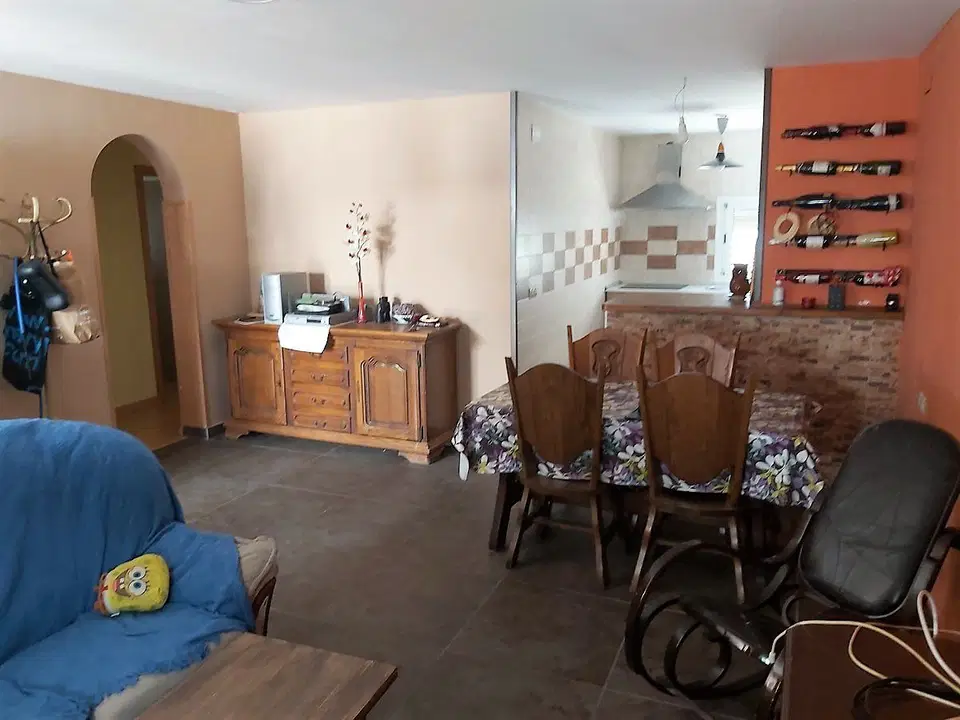
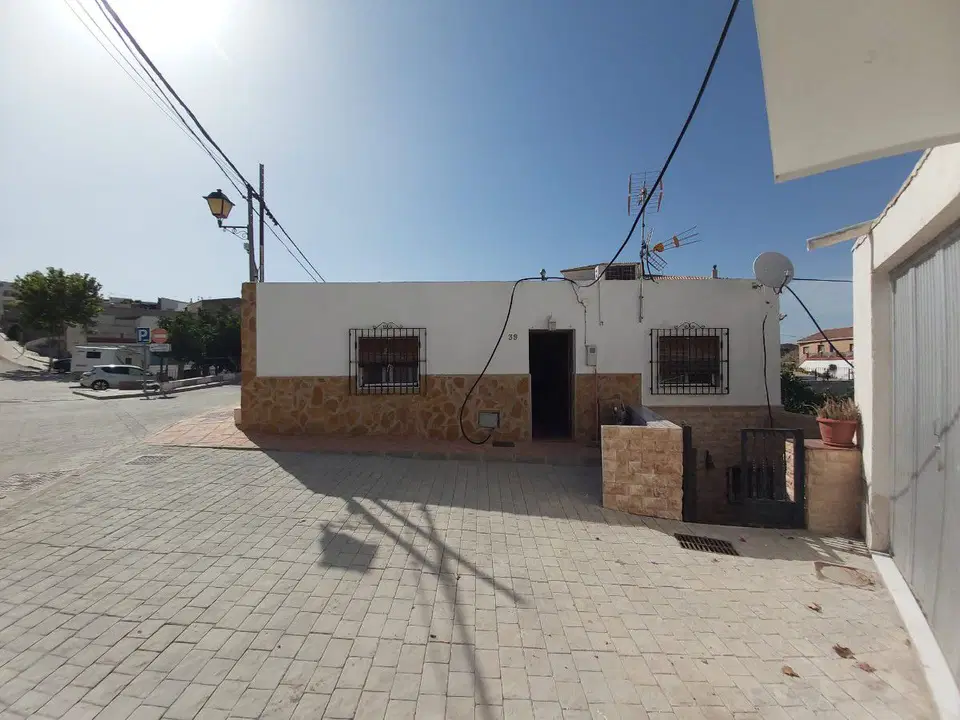
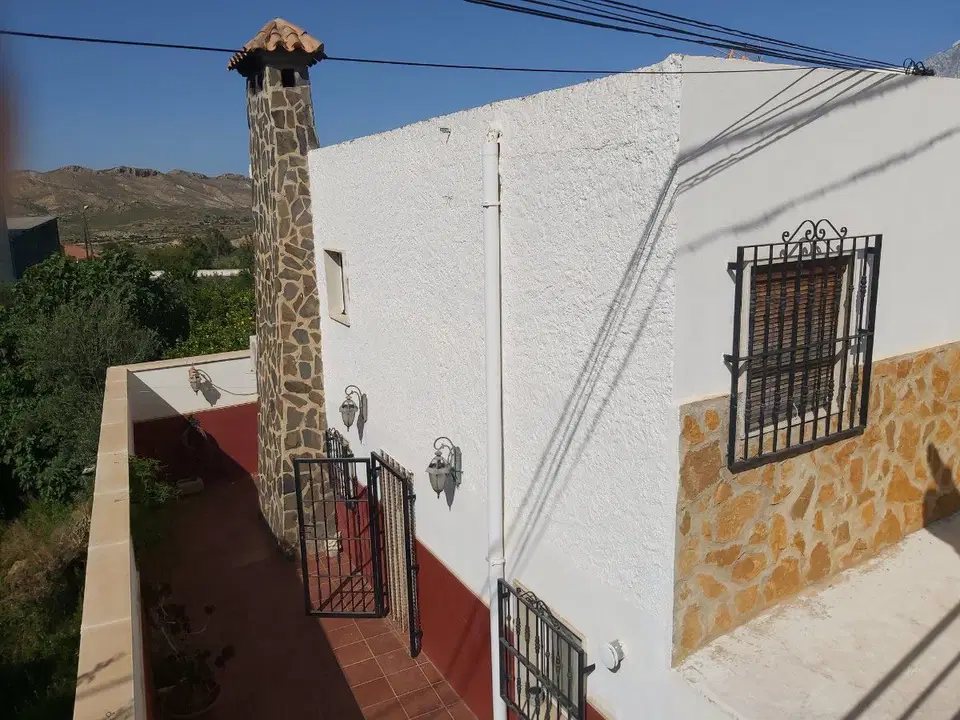
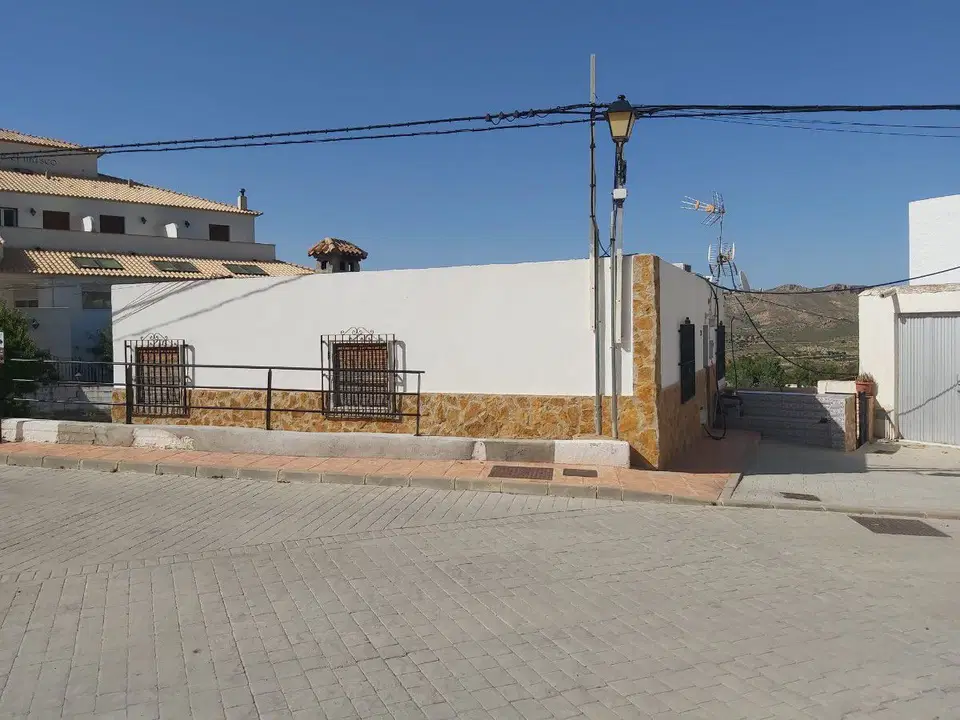
Key facts
- Bedrooms
- 3
- Bathrooms
- 1
- Interior
- 122 m²
- Type
- townhouse
Features
- Pool
About this property
Location
Approximate location based on the listing's town. Confirm the exact address with the agent.
How to buy this property
Typical process in Spain — 6–10 weeks from accepted offer to keys. Tell us where you're buying from:
What's different for you
- You already have a DNI/NIE and a Spanish bank, so the process can run in under 6 weeks.
- Some regions give reduced transfer-tax rates for main homes, under-35s or large families. Ask your gestor which ones apply.
What's different for you
- You still need an NIE tax number, but you can live here freely. Register as a resident (certificado de registro) if you stay more than 3 months.
- As a non-resident owner you pay annual non-resident income tax at 19% on a deemed income of 1.1–2% of the cadastral value. If you let the property, you can deduct expenses.
- Banks lend to EU non-residents, usually at 60–70% loan-to-value.
What's different for you
- You can buy freely today. The proposed 100% tax on non-EU buyers stalled in Congress in 2026 and is not law, but watch the news before you commit.
- The golden visa ended in April 2025, so buying doesn’t give you residency. Without a visa you are limited to 90 days in any 180.
- Annual non-resident income tax is 24% (not 19%), and if you let the property you can’t deduct expenses.
- Getting an NIE through a consulate can take 2–6 weeks, so apply before you make an offer.
- Non-resident mortgages are typically 50–70% loan-to-value, and banks will want proof of income in your home country.
Next steps
-
1
Get your NIE and a Spanish bank account
1 day – 6 weeksEvery buyer needs an NIE (foreigner tax number). You can get it in person at a police station in days, or through a consulate or a lawyer with power of attorney.
For you: You likely already have this — skip ahead.
-
2
Reservation deposit
1–3 daysA deposit of €3,000–€10,000 takes the property off the market while your lawyer checks it. Make sure the agreement says it’s refundable if the checks fail.
-
3
Independent legal checks
1–3 weeksYour own lawyer (not the agent’s) checks the Land Registry extract (nota simple), outstanding debts (IBI tax, community fees, utilities), building licences and the planning status.
-
4
Private contract (contrato de arras)
2–4 weeks after the offerYou sign and pay about 10%. If you pull out you lose it; if the seller pulls out they pay you double.
-
5
Escritura at the notary and keys
4–8 weeks after the arrasYou sign the deed before a notary and pay the balance (as a bank draft or traceable transfer), then get the keys. Your lawyer pays the transfer tax within 30 days and registers you as the owner.
For you: You can sign by power of attorney at a Spanish consulate or a notary at home (with an apostille).
For you: You can sign by power of attorney at a Spanish consulate or a notary at home (with an apostille).
Buying costs on €95,000
|
Transfer tax (ITP, resale homes) 7% in Andalucía New builds pay 10% VAT plus 0.5–1.5% stamp duty instead. The tax is charged on the price or the cadastral reference value, whichever is higher. |
€6,650 |
|
Notary, Land Registry and gestor ≈ €1,300–€2,700 Notary and registry fees are on fixed official scales, and the gestor handles the tax filings. |
€1,300–€2,700 |
|
Independent lawyer ~1% + VAT (min. ~€1,500) Essential for foreign buyers: the notary is neutral and doesn’t act for you. |
€950–€1,140 |
|
Estate agent fee Normally paid by the seller Check the reservation contract to confirm. |
— |
| Estimated total on top of the price | €8,900–€10,490 |
Pitfalls to watch
- Illegal builds on rustic land (especially inland Andalucía and Murcia): no licence can mean no utilities, no mortgage, or in the worst case a demolition order. Check the AFO/DAFO certificate.
- Debts stay with the property: unpaid IBI tax and community fees pass to you. Get up-to-date certificates before completion.
- If the seller isn’t resident in Spain, you must keep back 3% of the price and pay it to the tax office (form 211). Otherwise you are liable for their tax.
- Holiday lets: since 2025, new tourist licences in apartment blocks need 3/5 of the owners to approve, and lets must be on the national registry. Many towns have frozen new licences.
- Don’t under-declare the price or pay part in cash: it’s illegal, and the tax is charged on the cadastral reference value anyway.
- Use your own lawyer, not the one the agent recommends — conflicts of interest are common on the costas.
General guidance, last reviewed October 2026 — not legal or tax advice. Rules change and every purchase is different, so confirm with an independent local lawyer or notary before you sign anything.
Buying property in Spain
Read our complete guide — fees, visas, taxes, and everything overseas buyers should know before making an offer in Spain.
Read the Spain buying guide