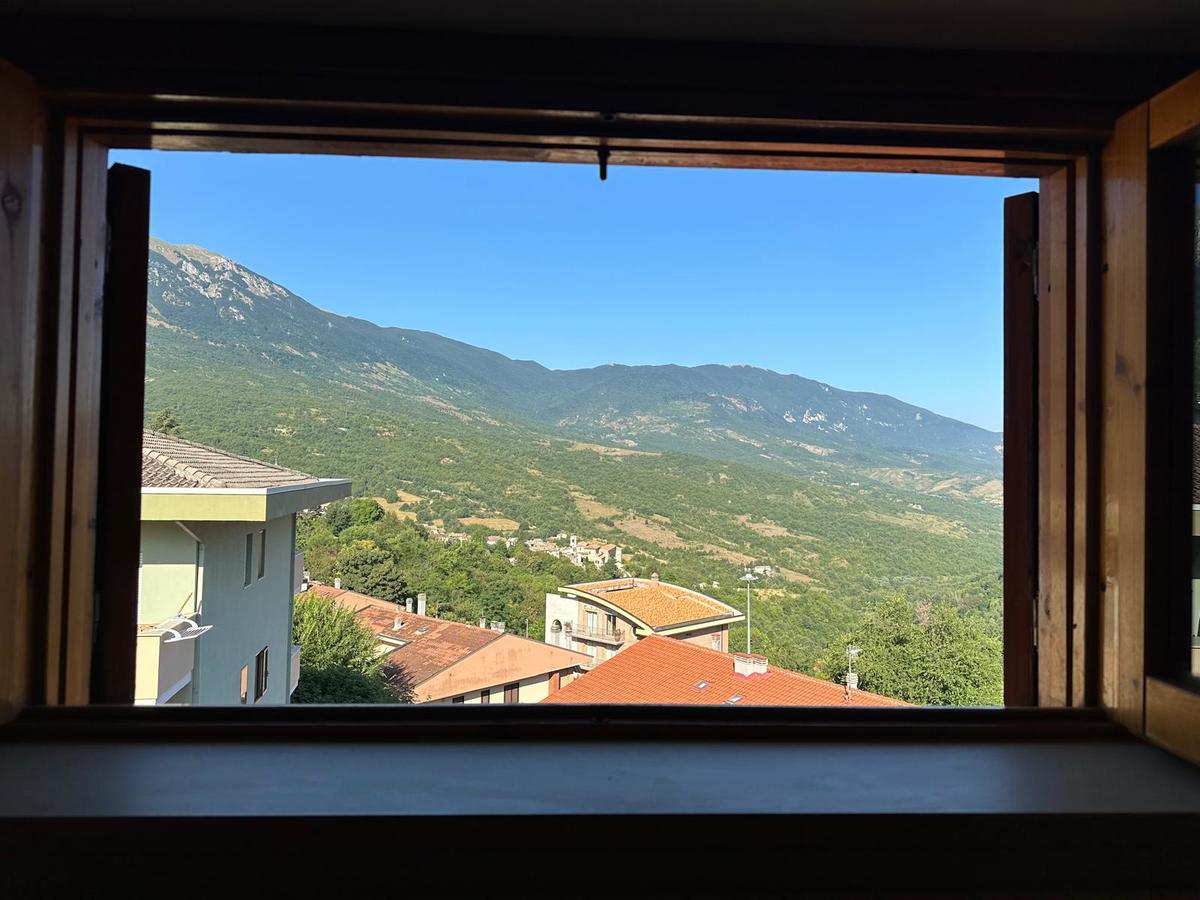
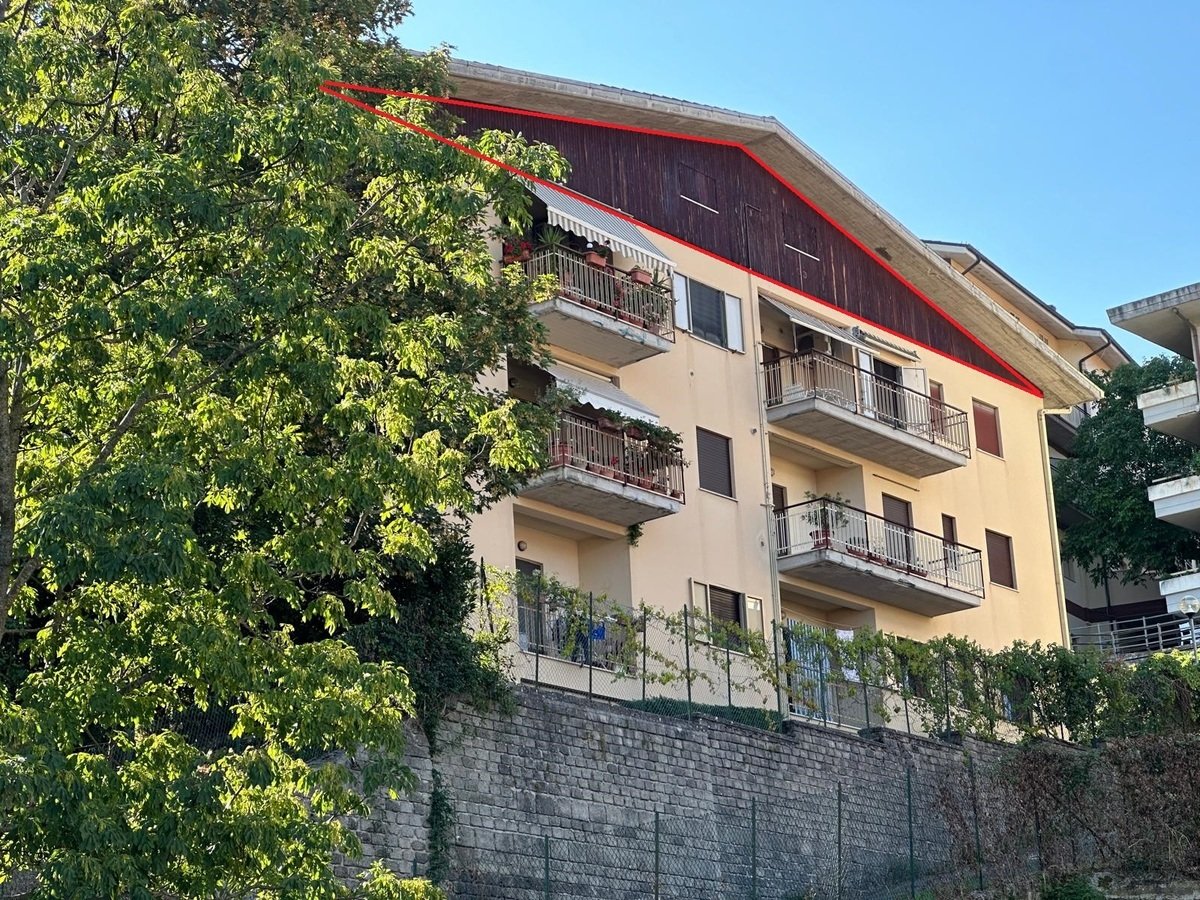
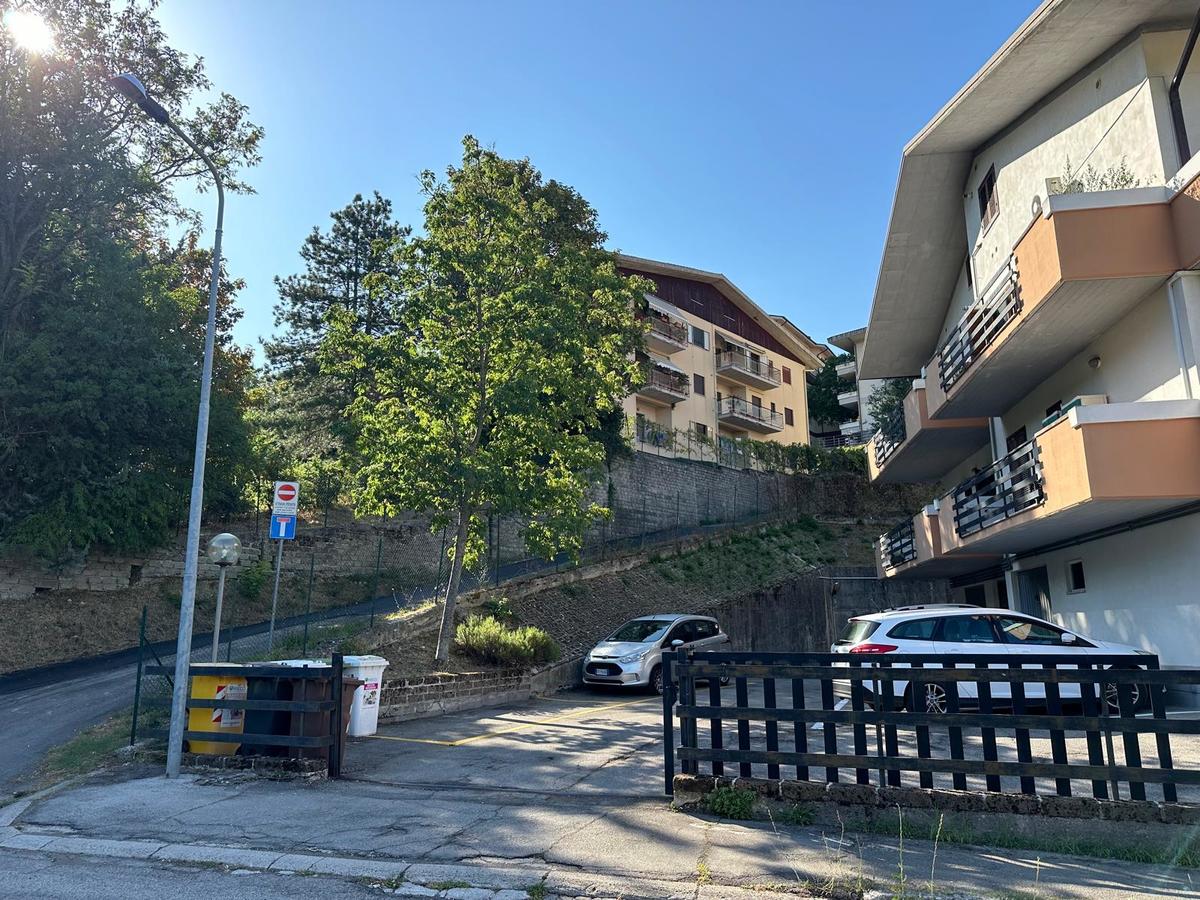
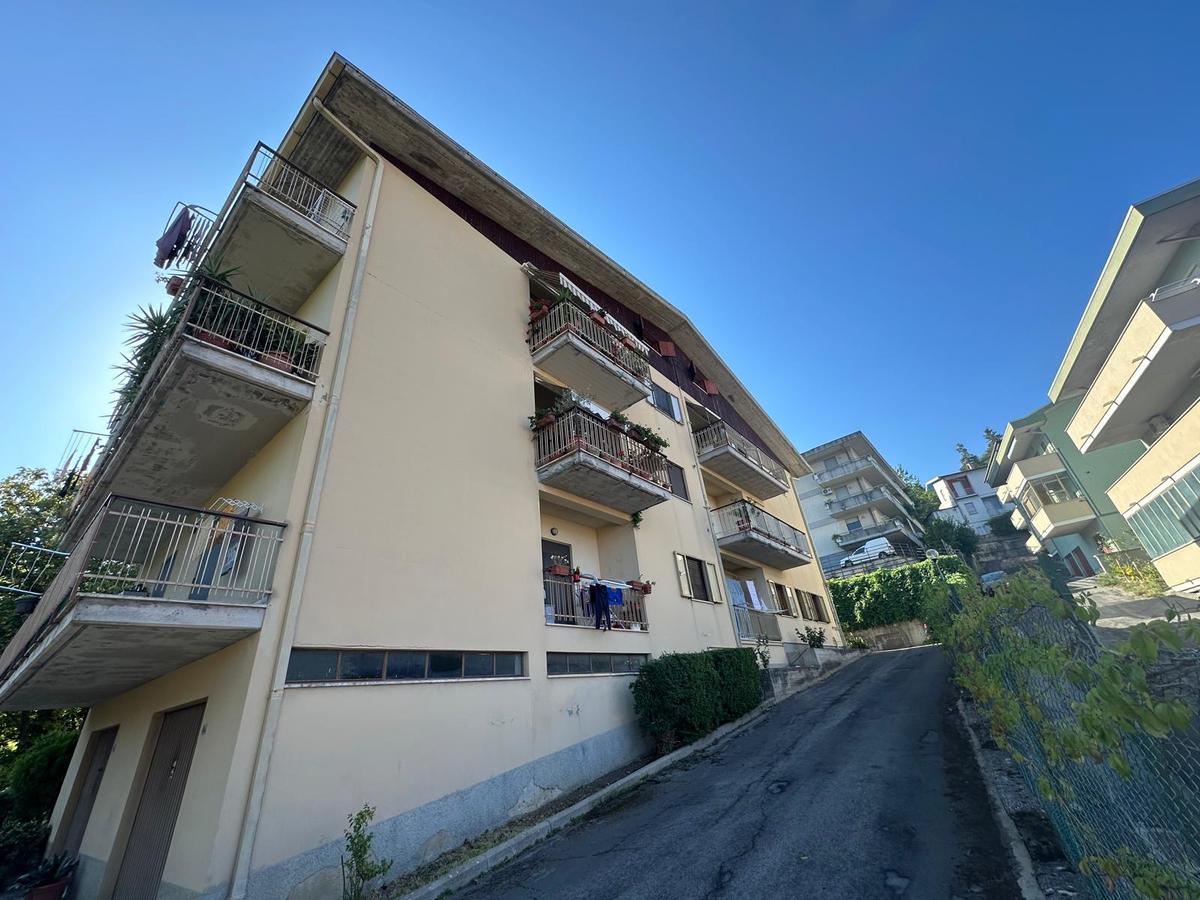
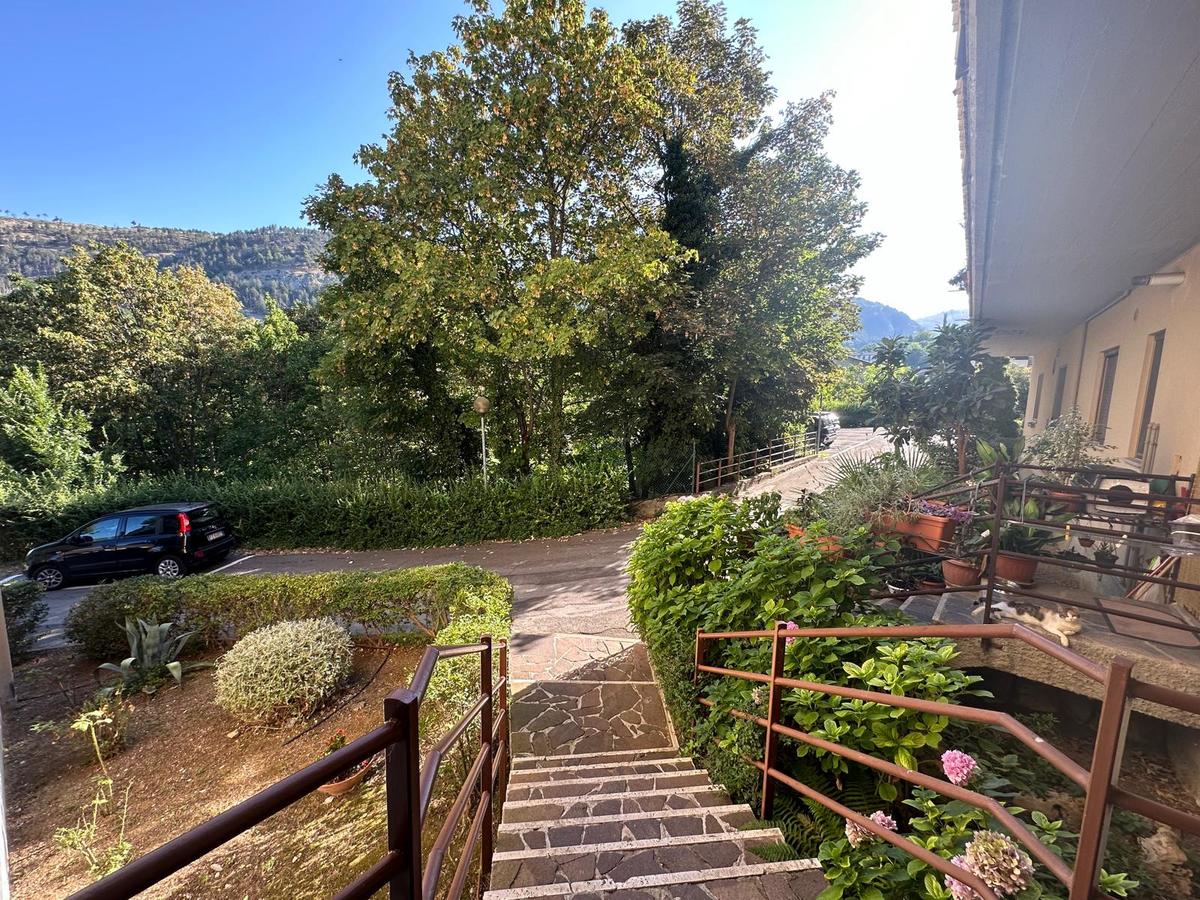
1 bedroom apartment, 48 m² Caramanico Terme, Pescara (province)
Caramanico Terme, Abruzzo, Italy
€35,000
Key facts
- Bedrooms
- 1
- Bathrooms
- 1
- Interior
- 48 m²
- Type
- apartment
Features
- Pool
- Move-in ready
About this property
Location
Approximate location based on the listing's town. Confirm the exact address with the agent.
How to buy this property
Typical process in Italy — 2–4 months from accepted offer to keys. Tell us where you're buying from:
What's different for you
- If this will be your main home (and you’ll be resident in that comune within 18 months), the “prima casa” rate cuts registration tax from 9% to 2% of the cadastral value.
- A main home is also exempt from the annual IMU property tax.
What's different for you
- No restrictions. You need a codice fiscale (tax code), which is free and quick to get from a consulate or the Agenzia delle Entrate.
- As a second home you’ll pay 9% registration tax on the cadastral value and annual IMU (around 0.86–1.06% of the revalued cadastral value).
- If you move here and become resident within 18 months, you can claim the 2% prima casa rate.
What's different for you
- Italy applies “reciprocity”: you can buy if Italians can buy in your country. UK, US, Canada and Australia all qualify, and the notary confirms this.
- Owning property doesn’t give you a visa. Living here needs an elective residence visa or similar, otherwise you are limited to 90 days in any 180.
- Italian mortgages for non-EU non-residents are rare and capped at about 50–60% loan-to-value. Most buyers pay cash or borrow at home.
- The notary must be sure you understand the deed. If you don’t speak Italian, a sworn translator and an English version are required (budget about €500–€1,000).
Next steps
-
1
Get a codice fiscale
1 day – 2 weeksEvery buyer needs an Italian tax code before signing anything. It’s free from an Agenzia delle Entrate office or an Italian consulate.
For you: You already have one — skip ahead.
-
2
Written offer (proposta d’acquisto)
1–2 weeksA written offer, usually with a deposit cheque. Once the seller accepts it, it becomes binding on both sides, so get the survey checks underway first or make it conditional.
-
3
Survey and compliance checks
2–6 weeksA geometra (surveyor) checks that the building matches the cadastral plans and the planning permits (conformità urbanistica e catastale). Your lawyer checks title and debts.
-
4
Preliminary contract (compromesso)
2–6 weeks after the offerYou pay a deposit of 10–30% (caparra confirmatoria). If you pull out you lose it; if the seller pulls out they pay double. The contract must be registered within 20 days.
-
5
Rogito at the notary and keys
1–3 months after the compromessoYou sign the final deed before the notary, pay the balance and the taxes, and get the keys. The notary then registers the transfer.
For you: You can sign through a power of attorney (procura) made at an Italian consulate abroad.
For you: You can sign through a power of attorney (procura) made at an Italian consulate abroad.
Buying costs on €35,000
|
Registration tax (imposta di registro) 9% of the cadastral value (2% for a main home) The cadastral value is usually well below the market price (often 10–60% of it), so the real cost is typically 1–5.5% of the price. Buying from a developer means 10% VAT on the price instead. |
€350–€1,925 |
|
Estate agent fee (buyer’s share) 2–4% + 22% VAT In Italy both the buyer and the seller usually pay the agent. |
€840–€1,715 |
|
Notary ≈ €2,000–€5,000 Plus about €100 in fixed mortgage and cadastral taxes. |
€2,000–€5,000 |
|
Geometra survey and lawyer (recommended) ≈ €1,500–€4,000 A sworn translator for non-Italian speakers adds about €500–€1,000. |
€1,500–€4,000 |
| Estimated total on top of the price | €4,690–€12,640 |
Pitfalls to watch
- Unregistered works (abusivismo): extensions, pools or converted outbuildings that don’t match the cadastral plans can stop the sale or need a costly amnesty. Get the geometra report before the compromesso.
- The proposta becomes binding once accepted. Don’t sign one “to hold the house” unless you’re prepared to go through with it.
- Rural houses: check road access (servitù di passaggio), the water source (mains or a well) and the septic system. Many cheap farmhouses have none of these sorted.
- “€1 houses” come with a binding renovation commitment (often 1–3 years) and a guarantee deposit. Budget for the full renovation, not the €1.
- Seismic risk: much of central and southern Italy is in high-risk earthquake zones. Check the zone, and whether the building has been seismically improved.
- Declare the full price in the deed and never pay part in cash — it’s illegal and voids your protections.
General guidance, last reviewed October 2026 — not legal or tax advice. Rules change and every purchase is different, so confirm with an independent local lawyer or notary before you sign anything.
Buying property in Italy
Read our complete guide — fees, visas, taxes, and everything overseas buyers should know before making an offer in Italy.
Read the Italy buying guide